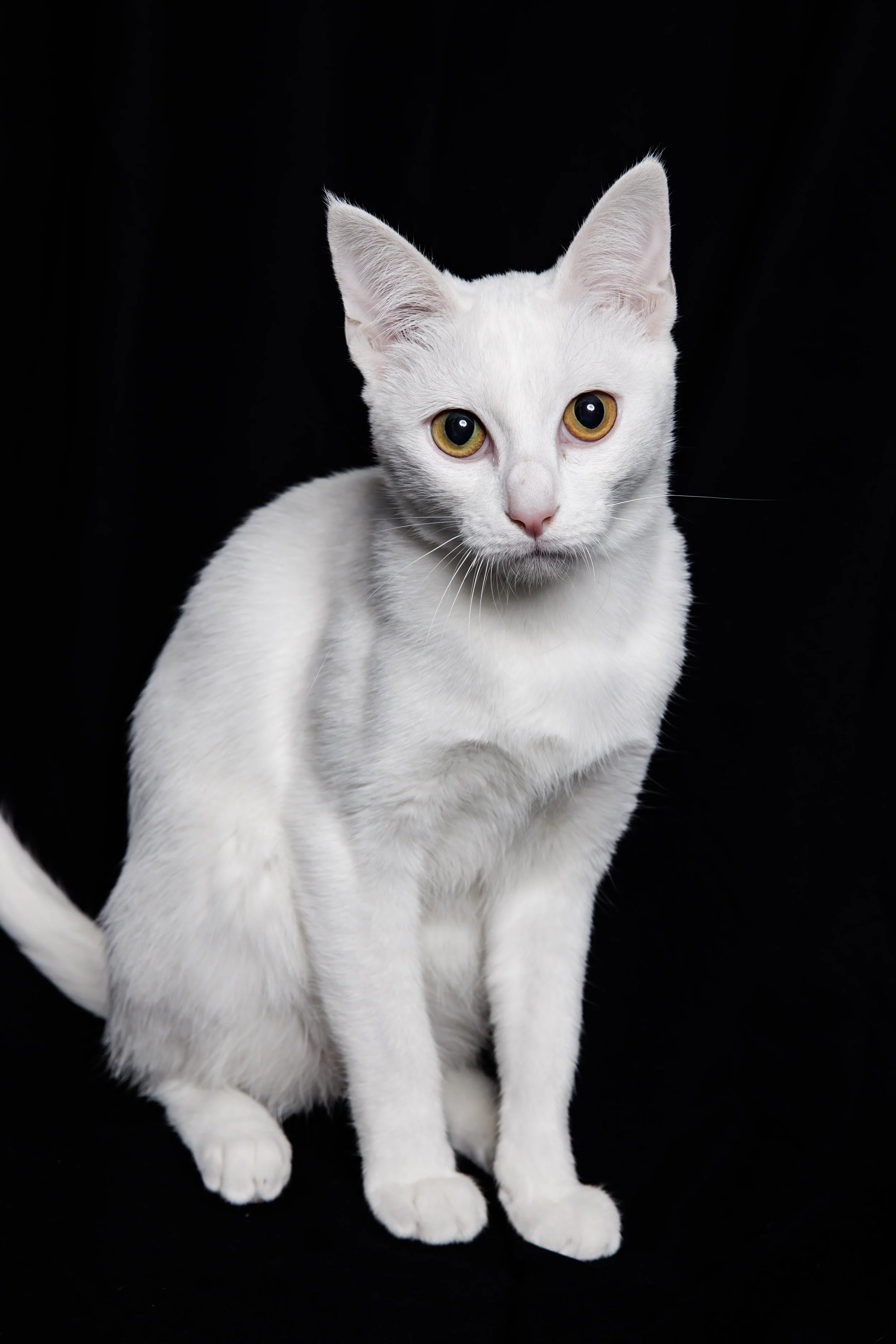
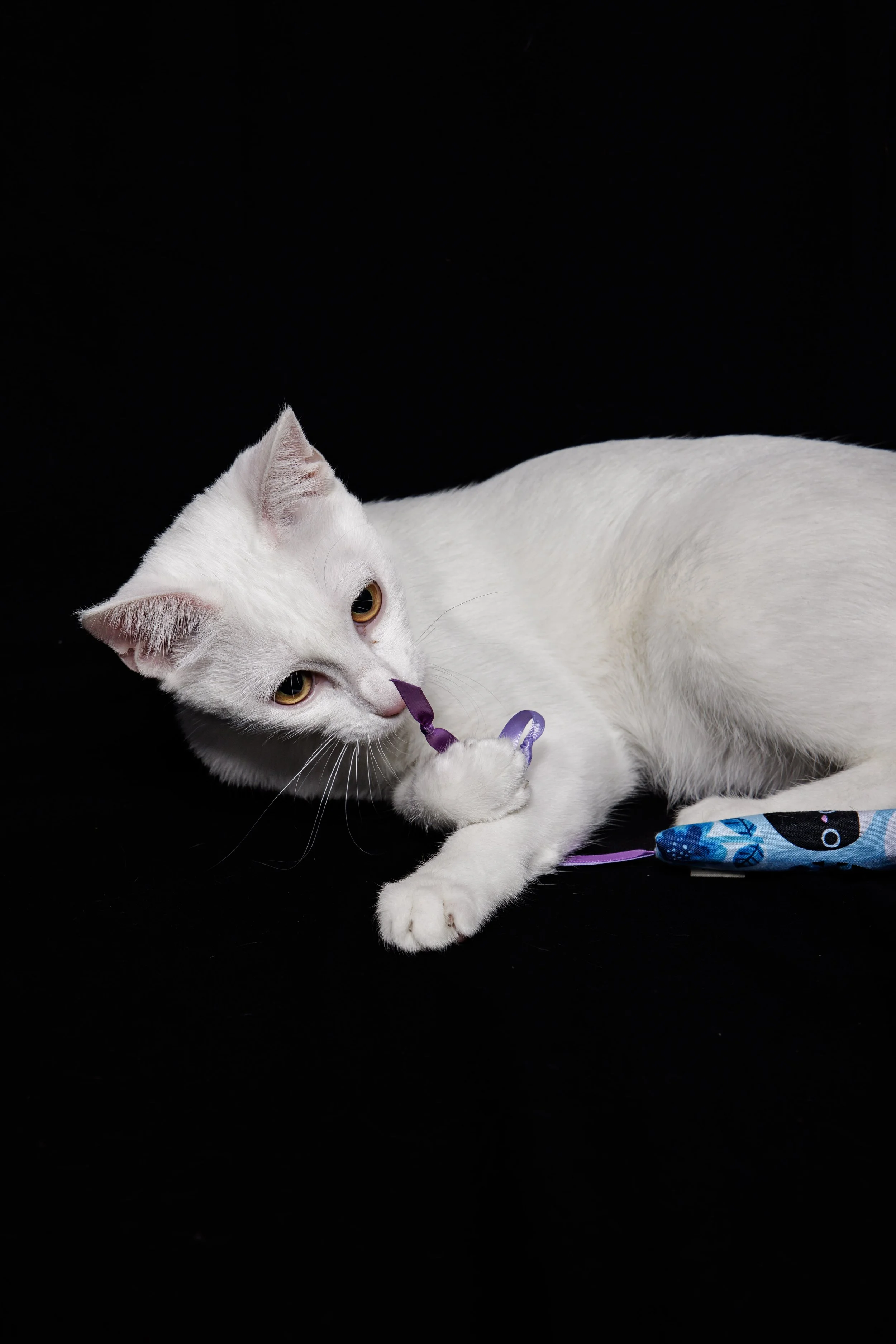
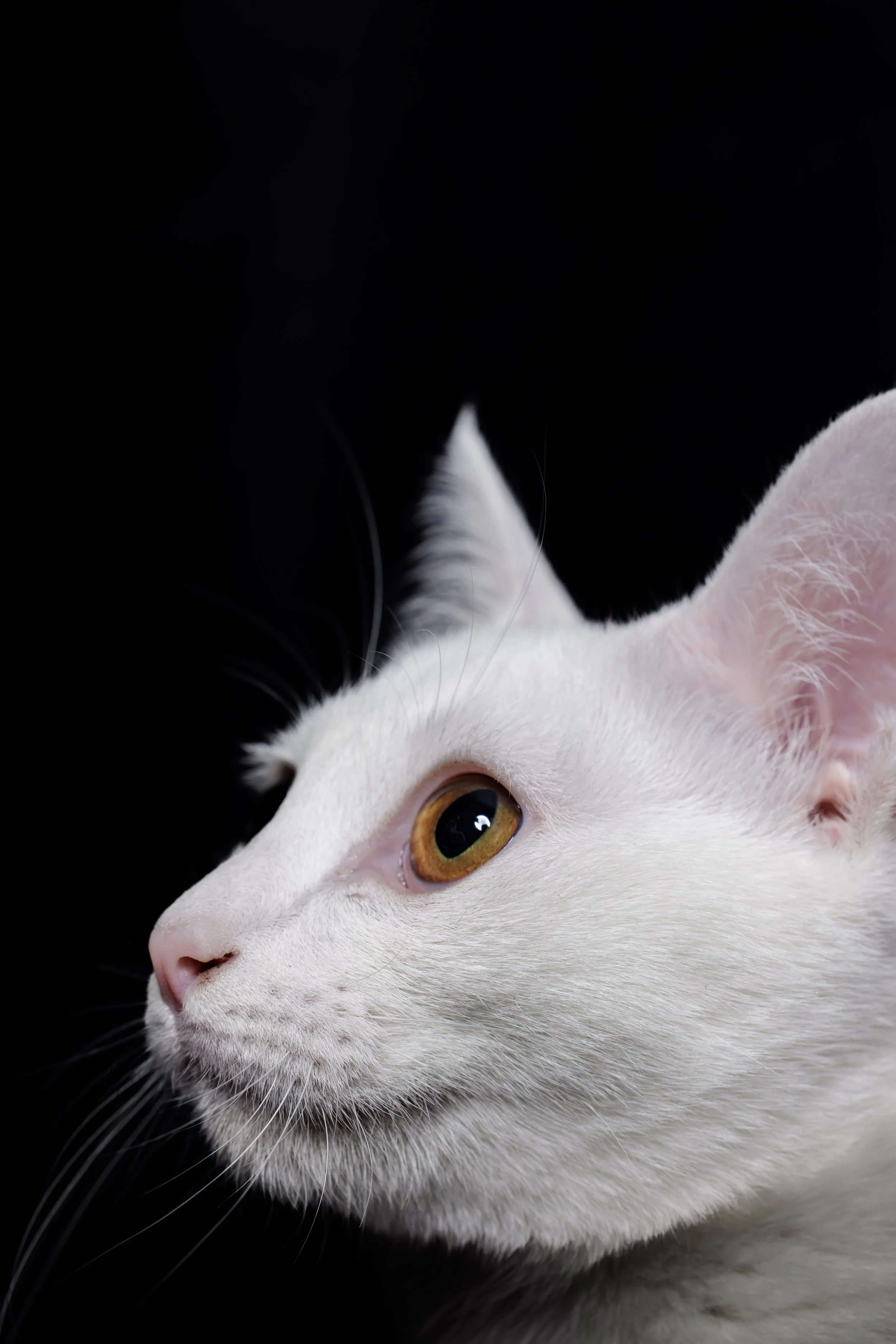
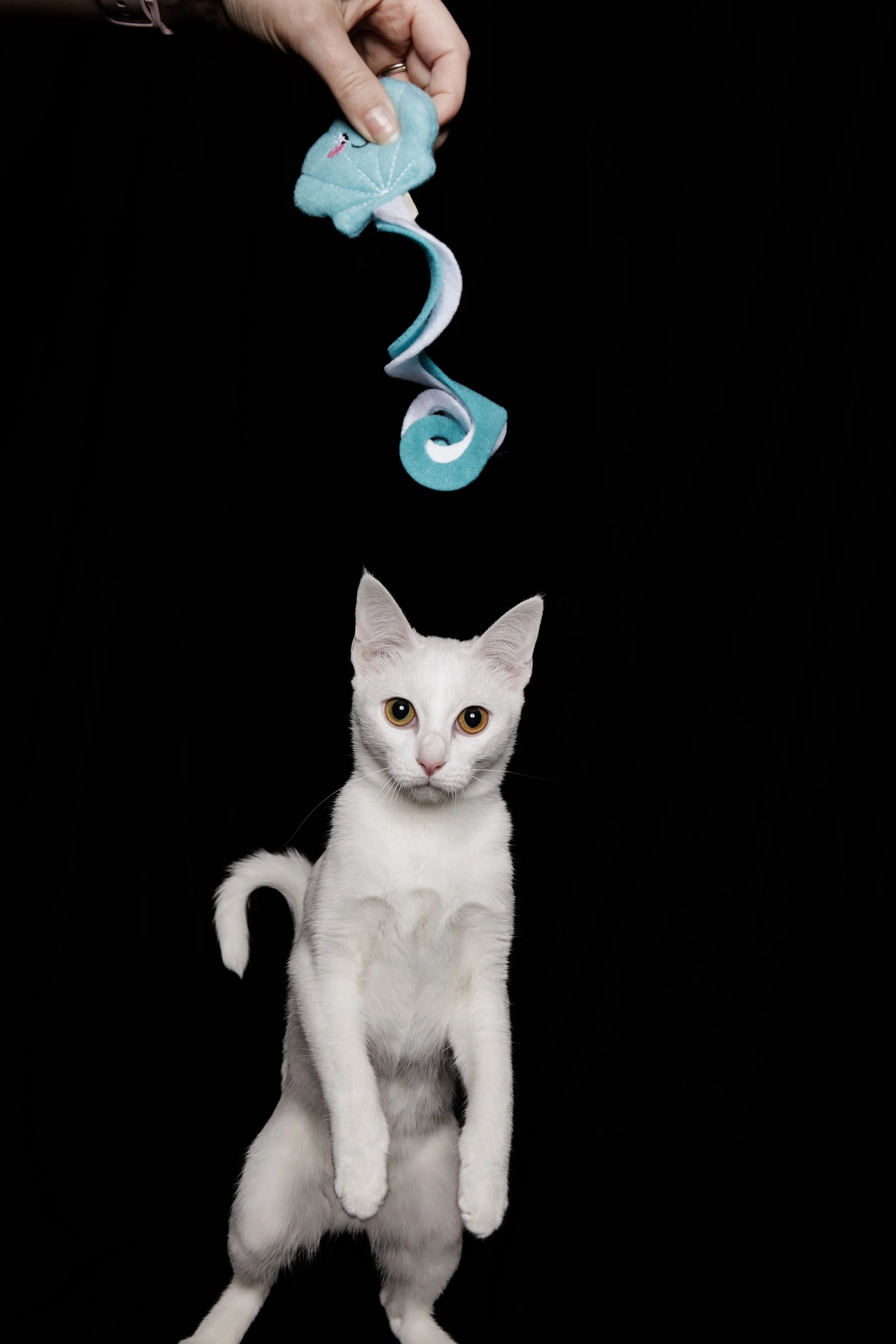
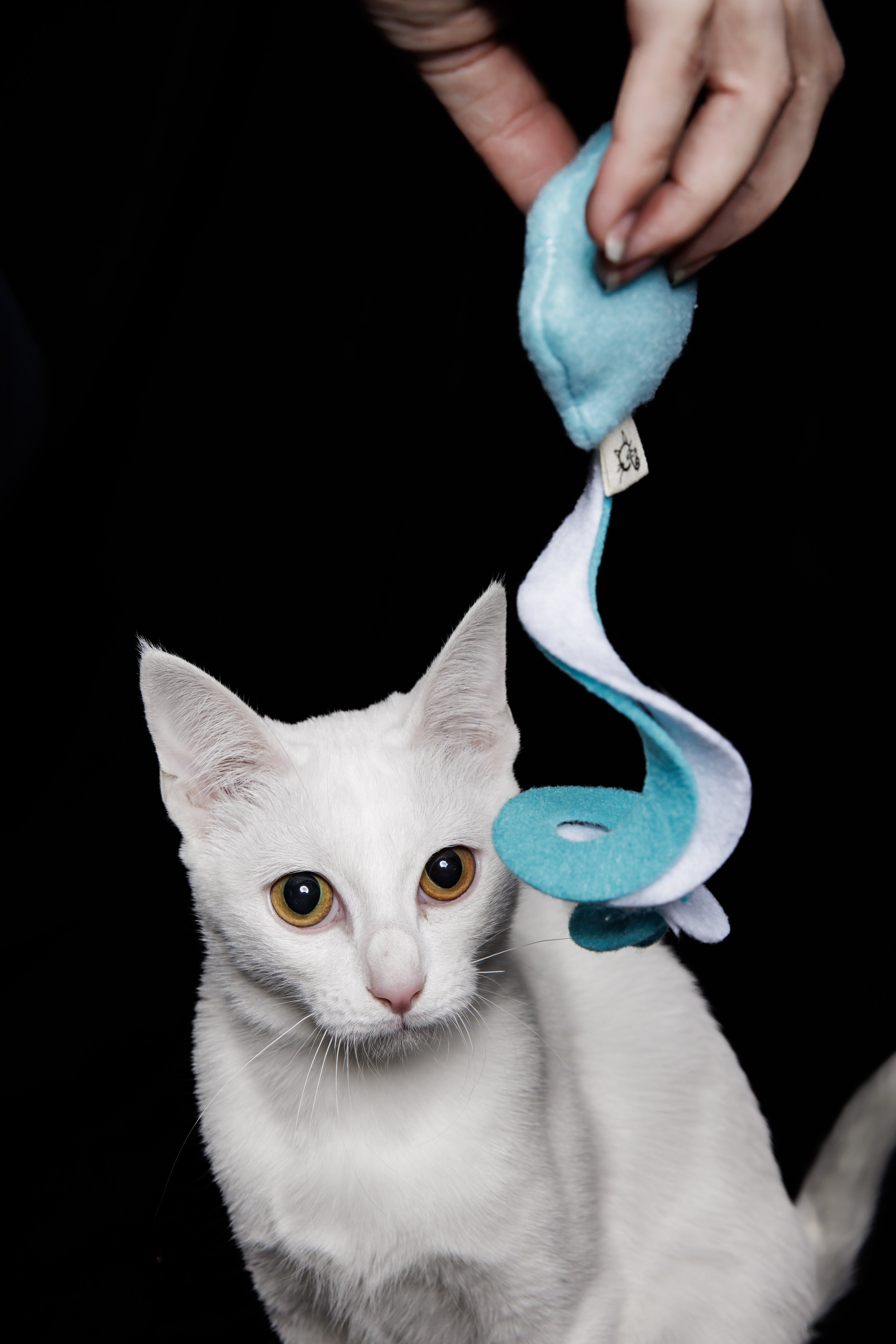
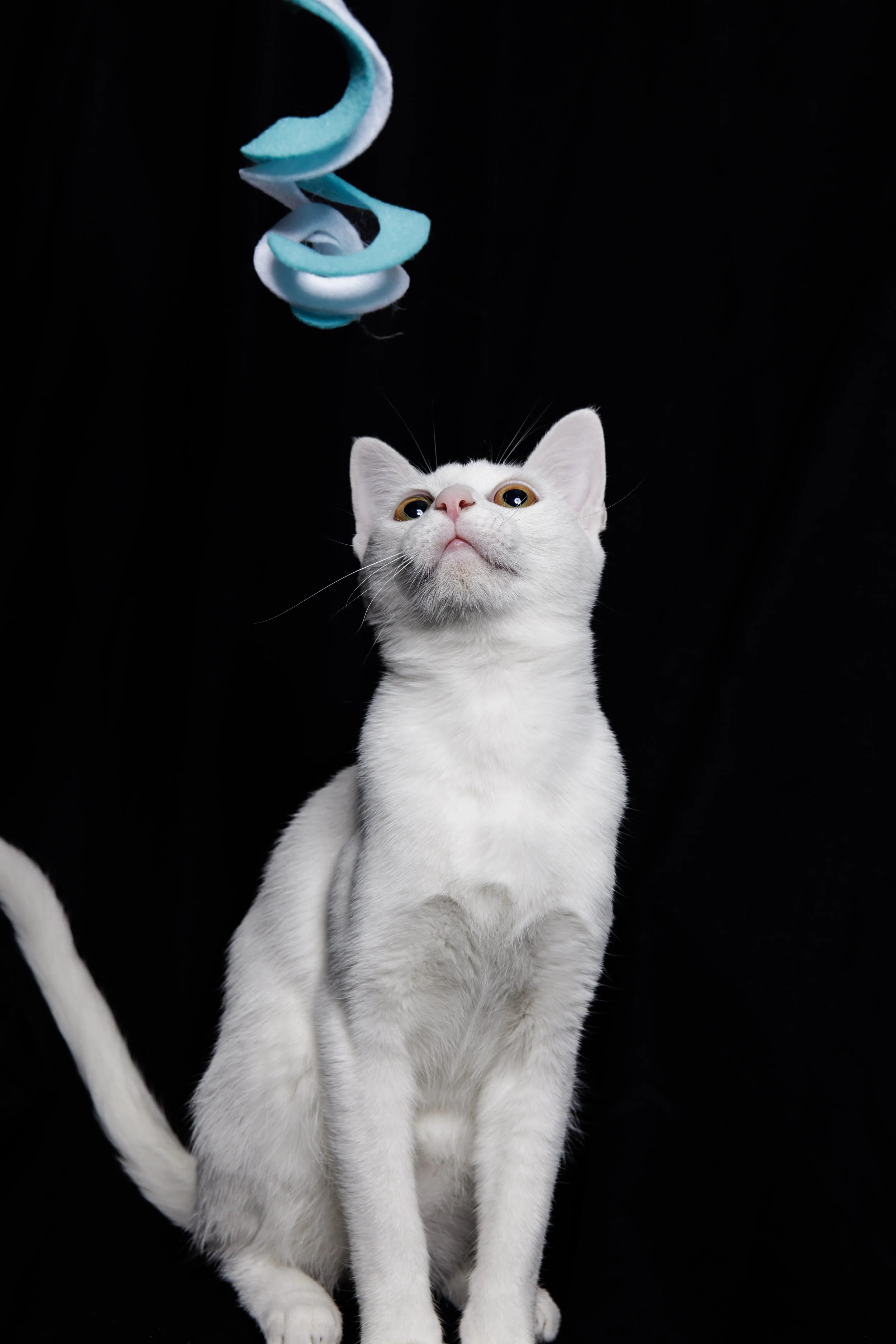
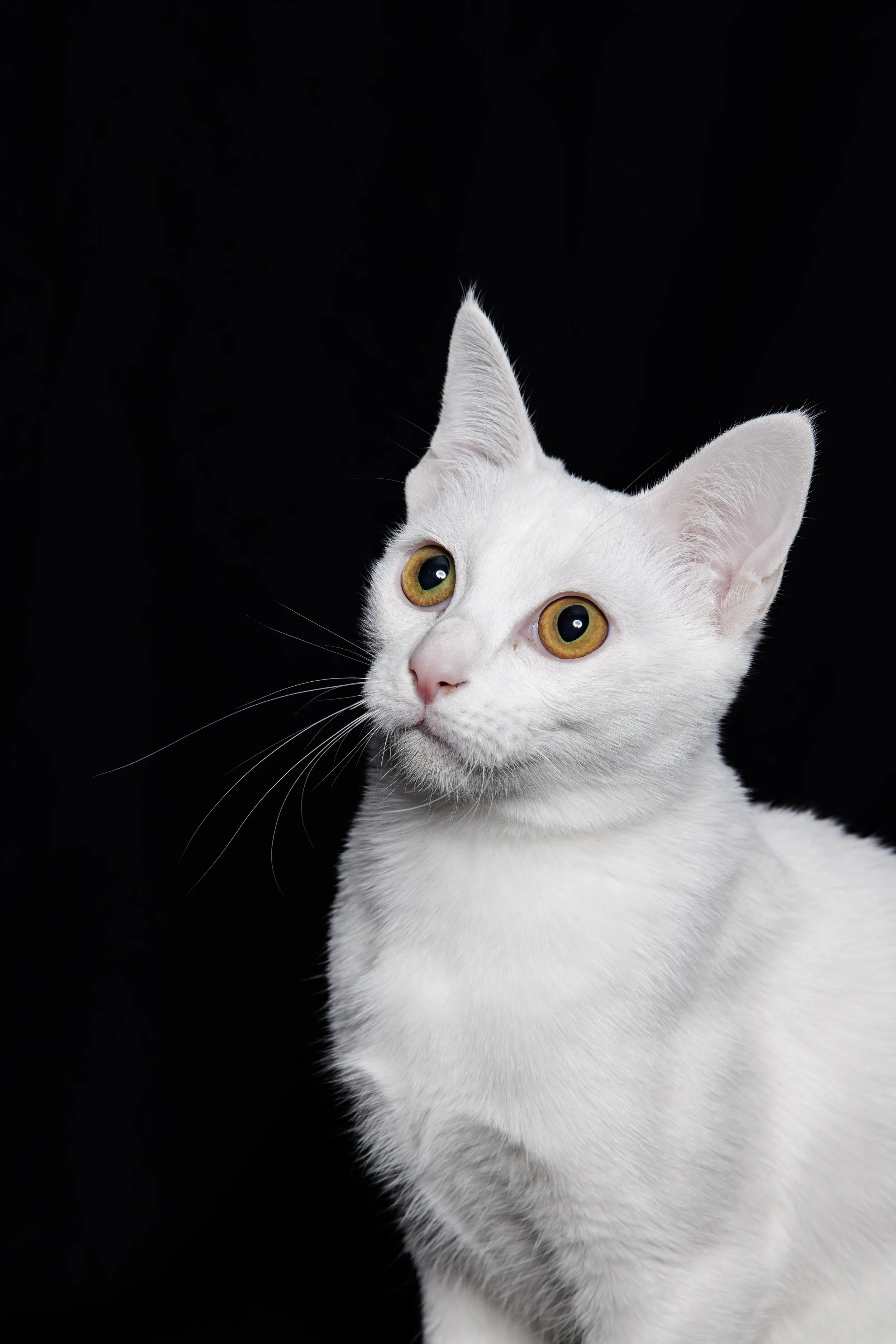
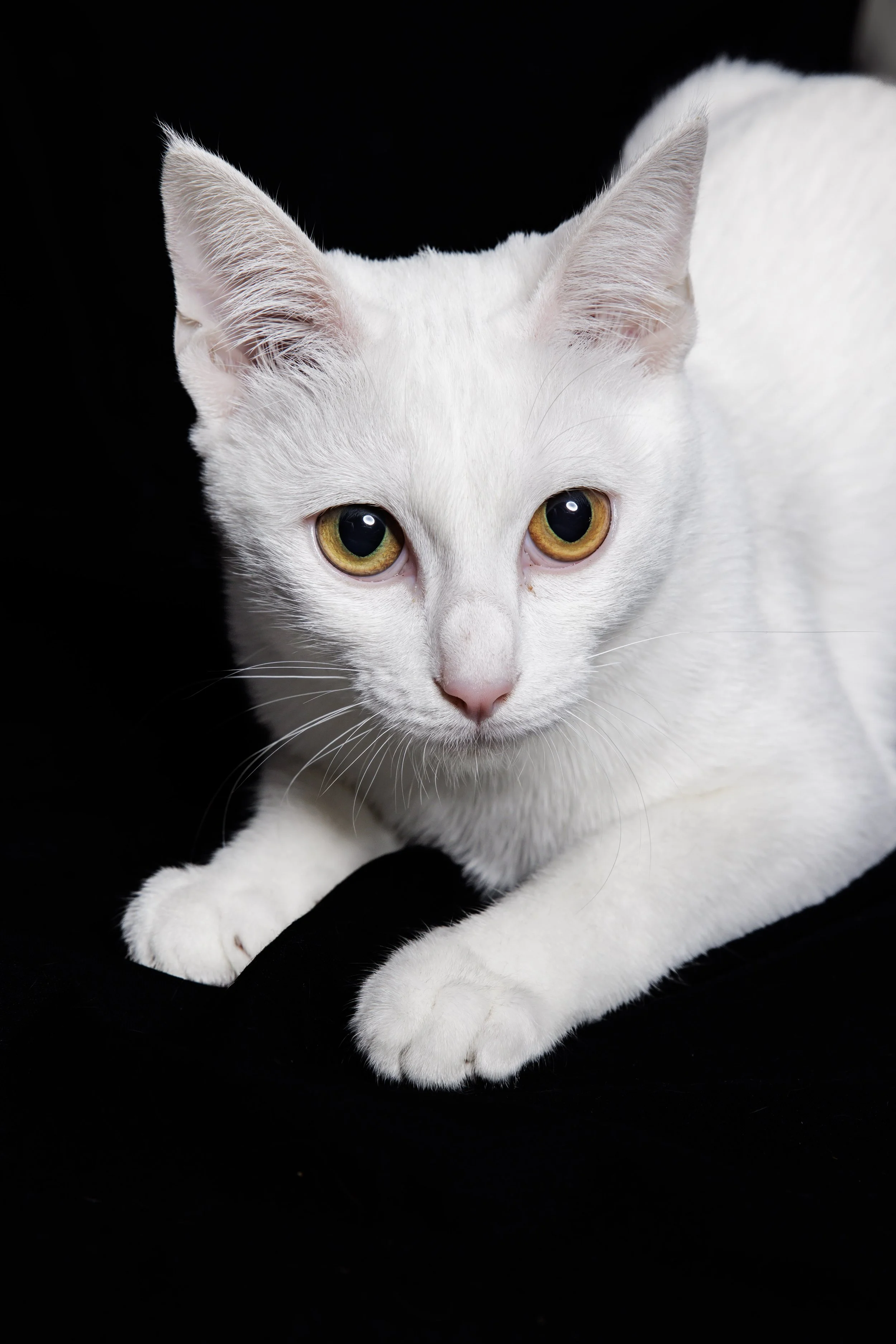
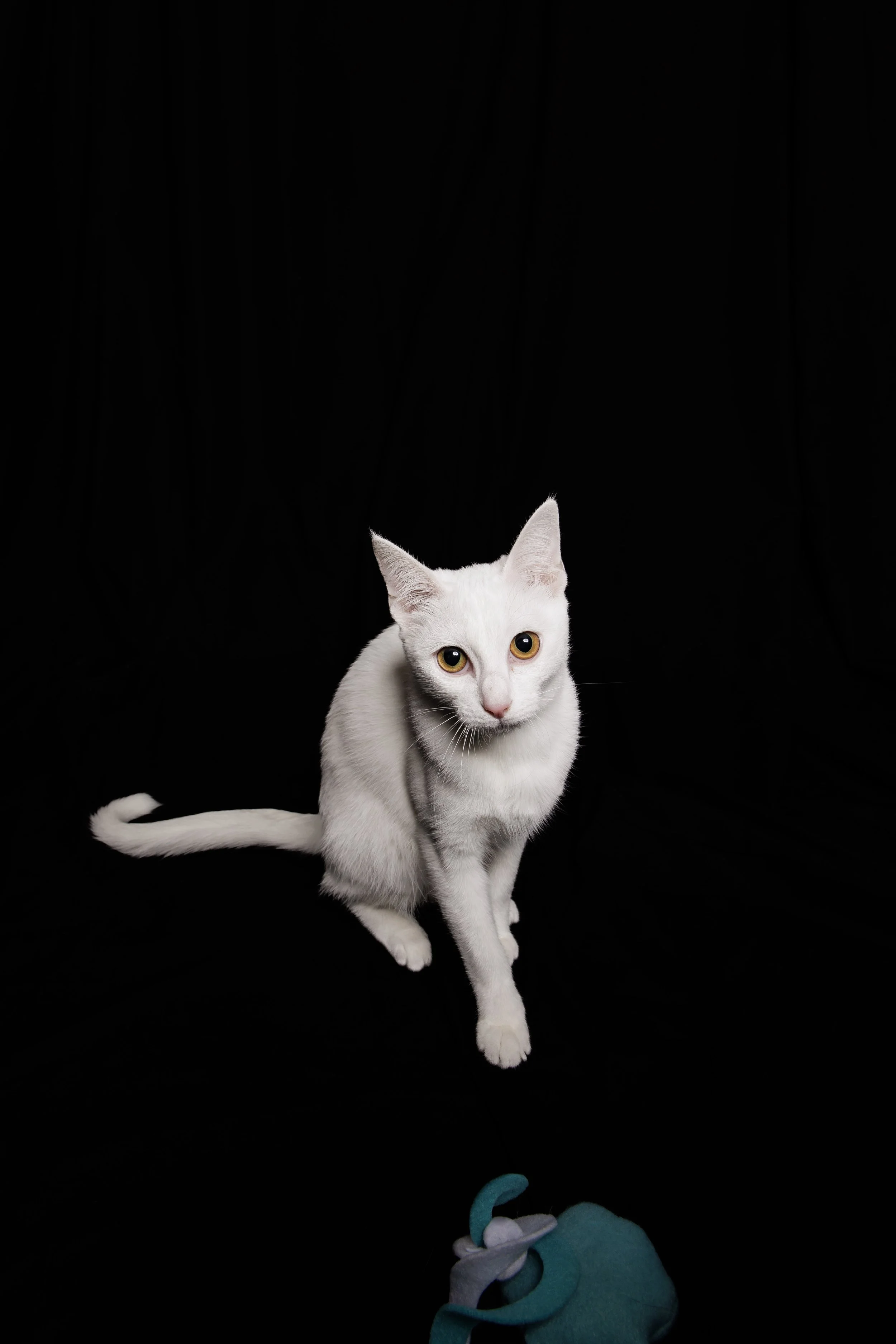
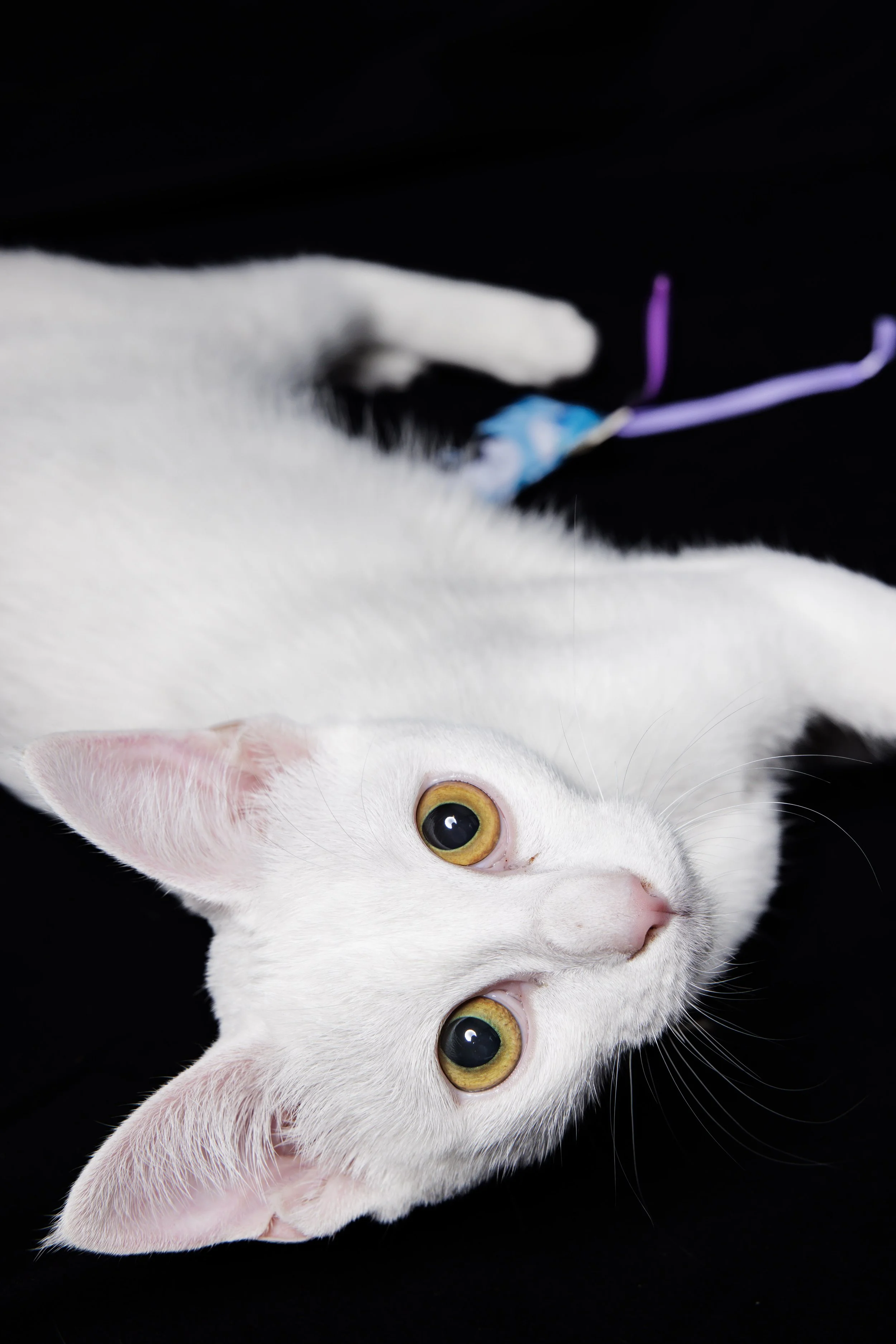
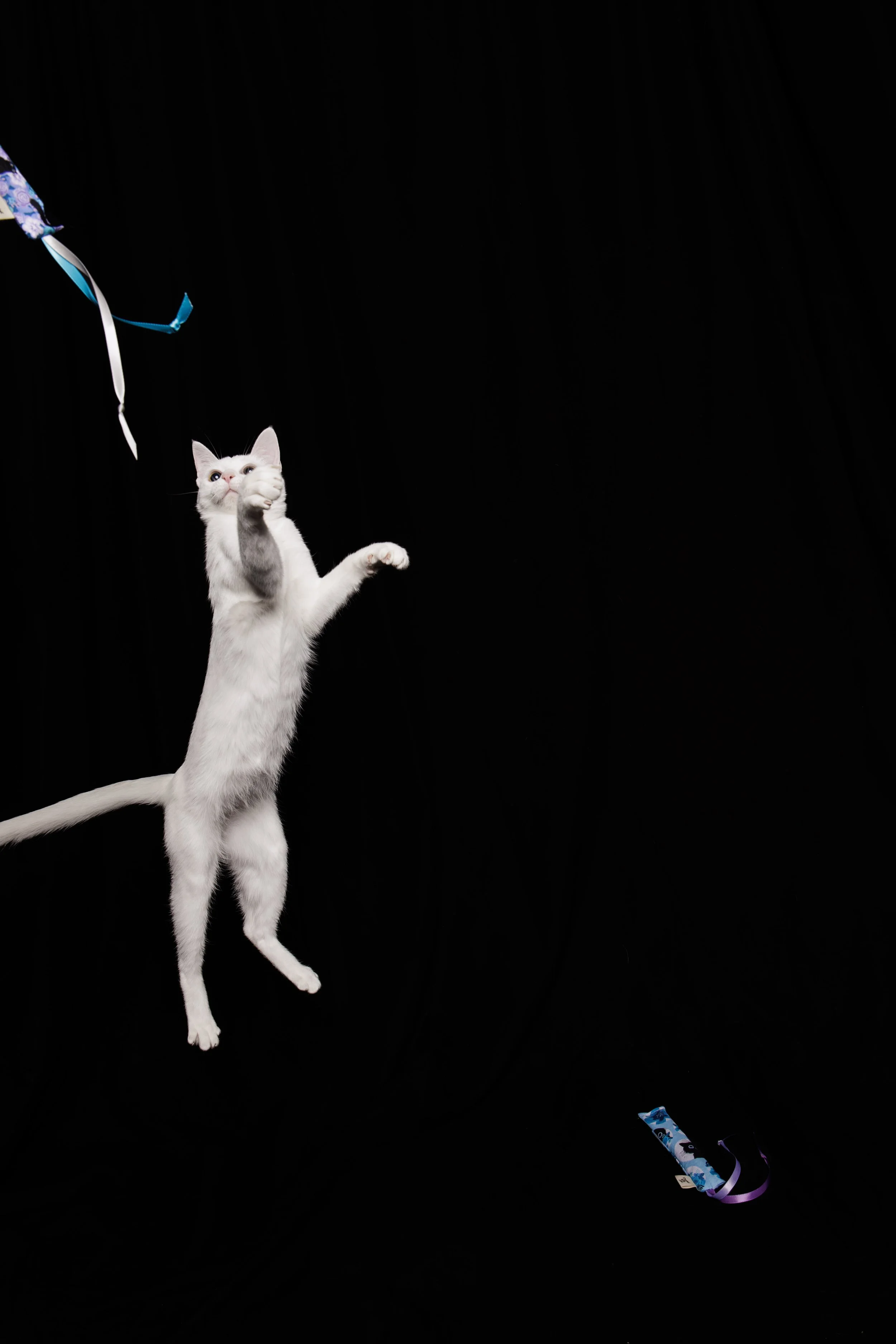
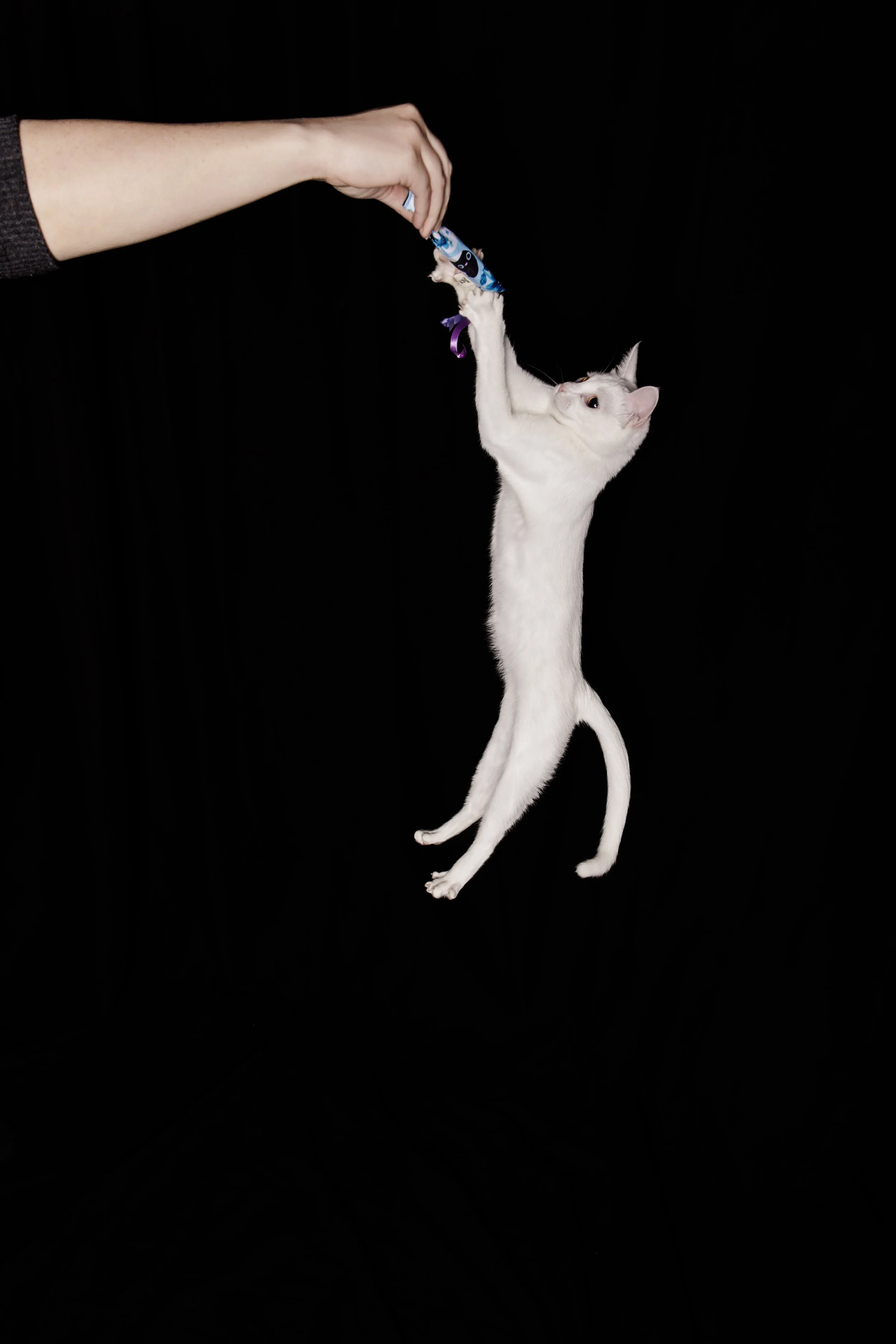
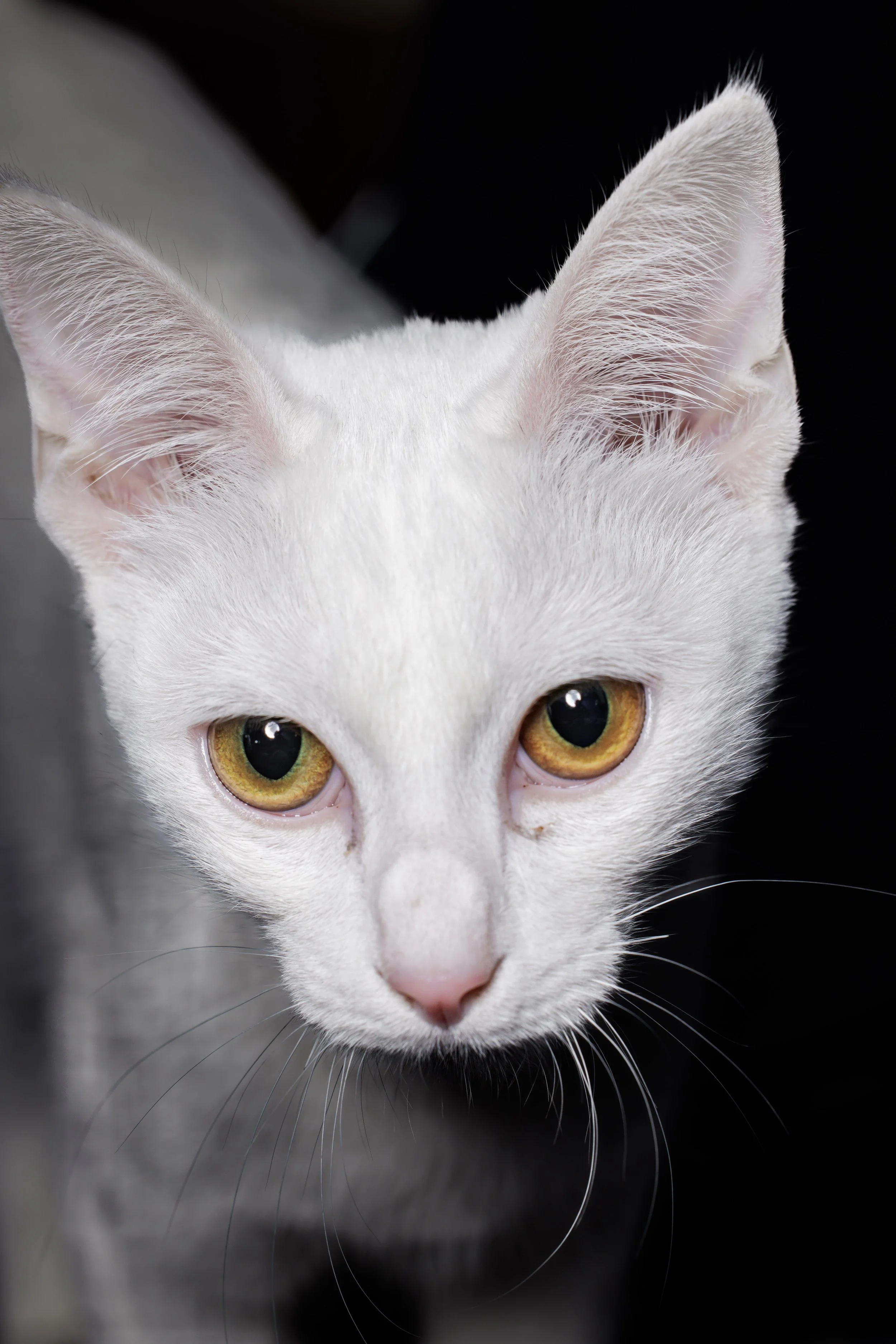
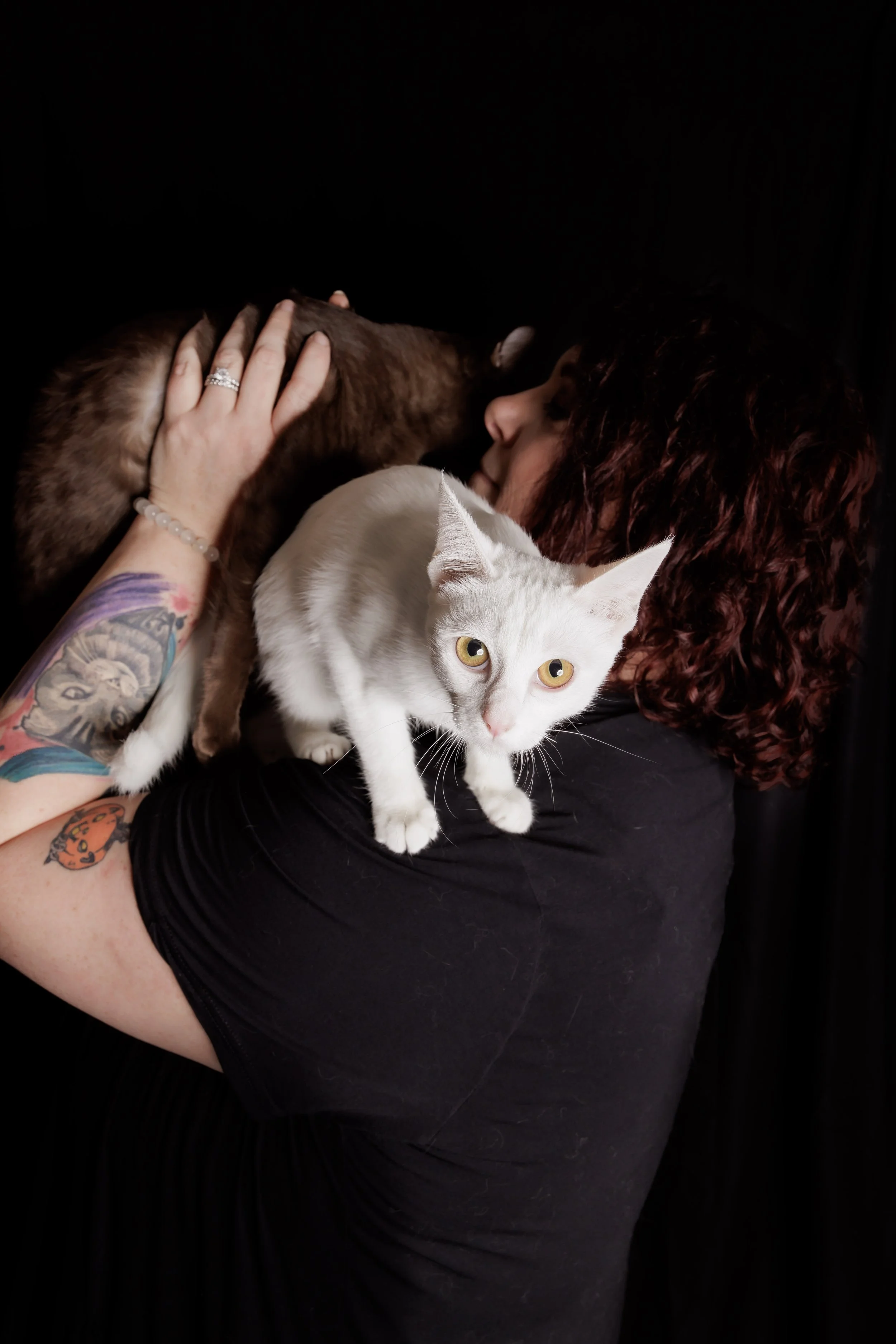
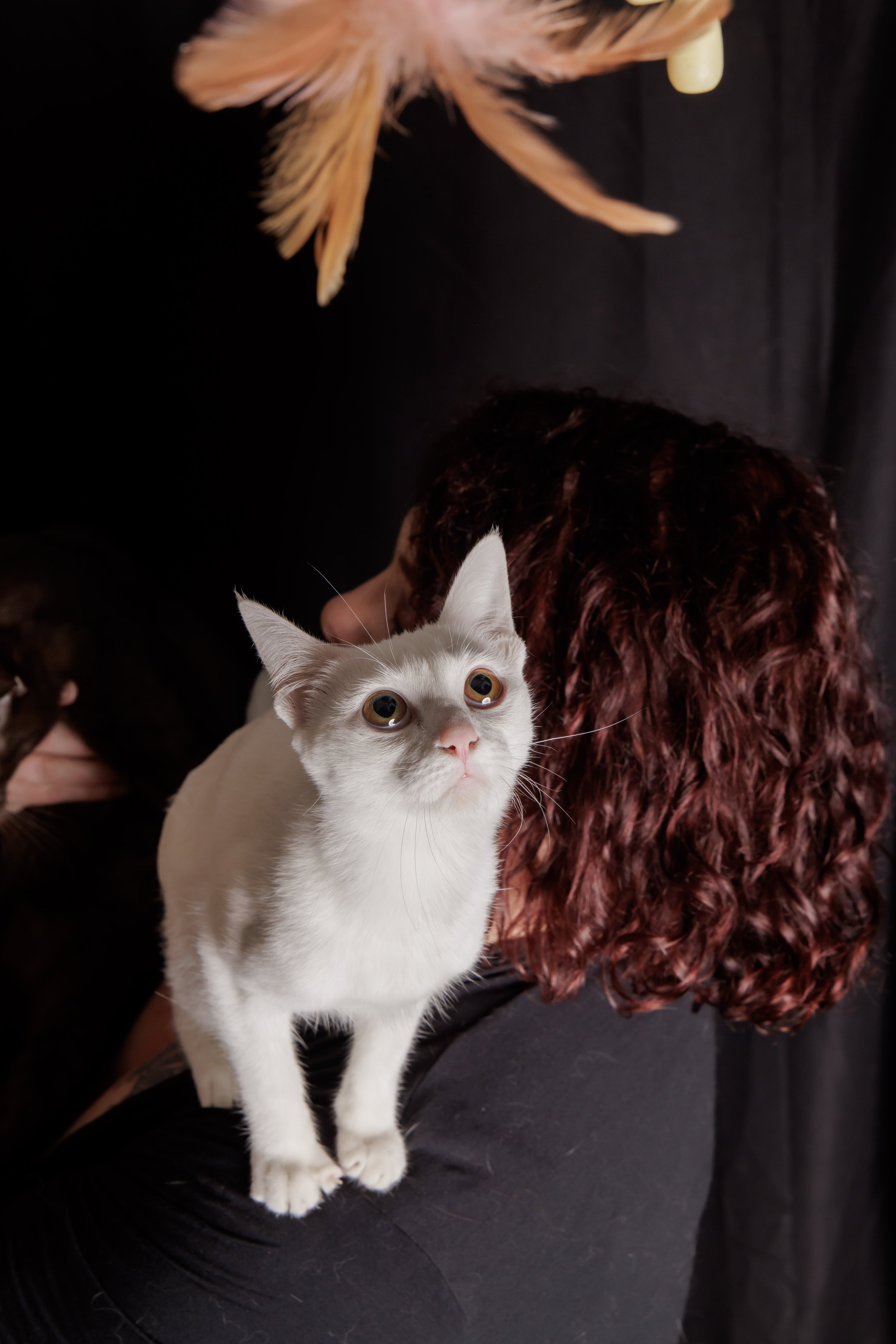
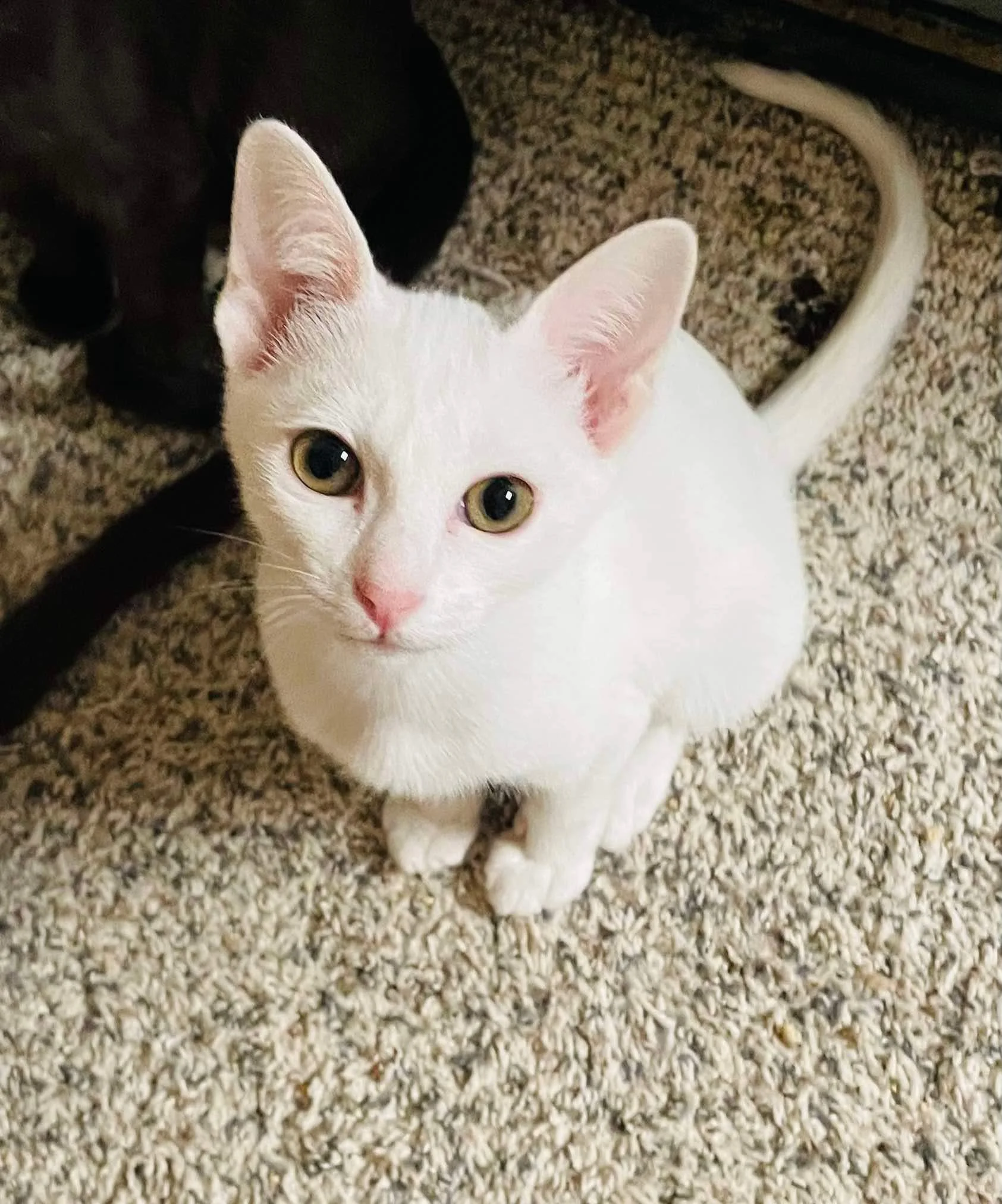
The Khao Manee is one of Thailand’s most historically revered cats, known for its luminous white coat and striking eyes. For centuries these cats were kept within the royal households of Siam and were believed to bring prosperity and good fortune to the families who cared for them.
Today the Khao Manee remains rare outside Thailand and is preserved through small, responsible breeding programs dedicated to protecting its history and genetic health.
Phoenix Legacy participates in this preservation effort by carefully raising and placing Khao Manee kittens with committed homes that understand the responsibility of caring for such a unique breed.
Coat - Pure white, short and silky
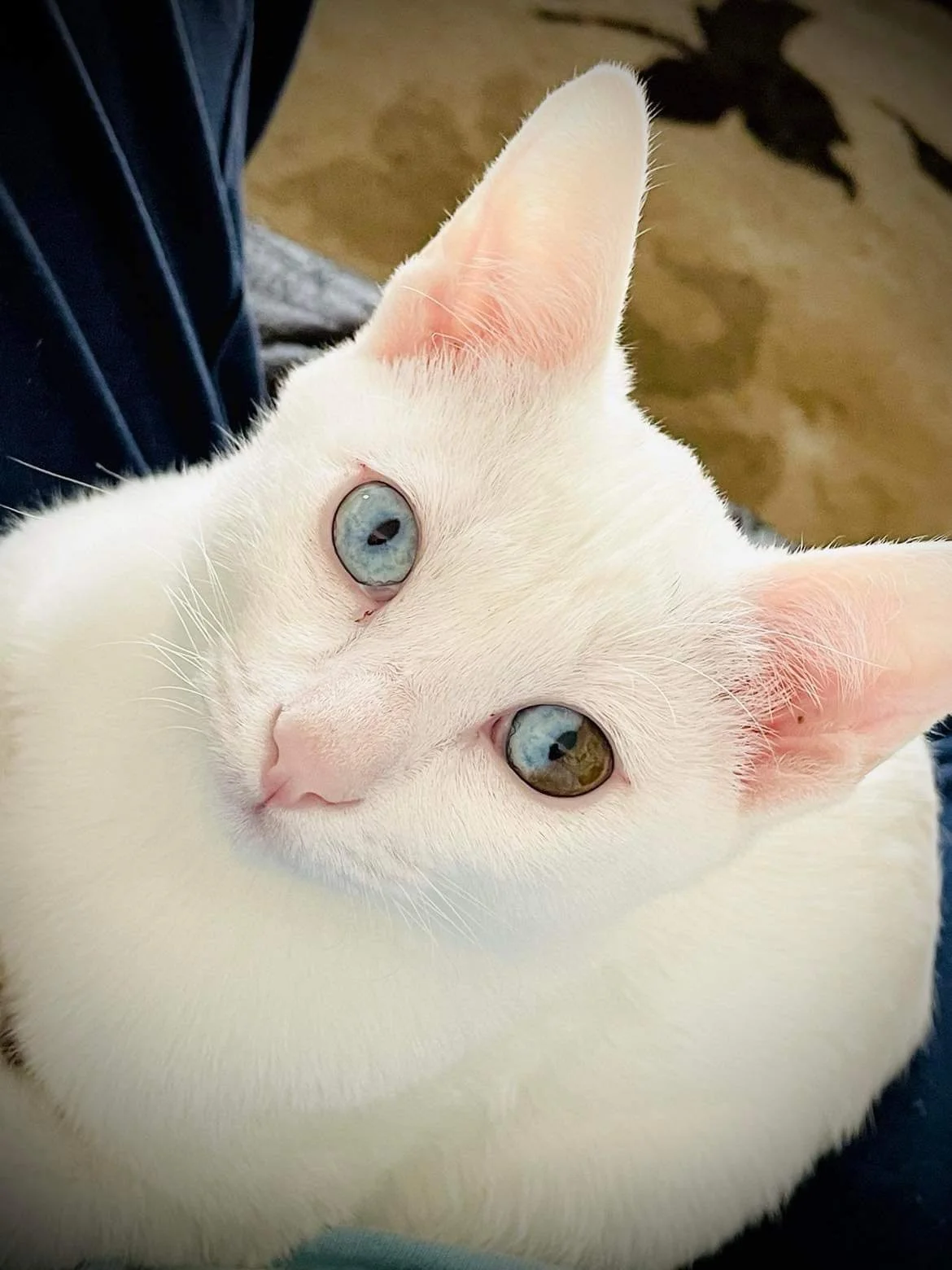
Eyes - Blue, gold, or odd-eyed (one of each)
Body - Athletic, elegant, medium build
Temperament - Social, intelligent, people-focused
Rarity - Rare outside Thailand
The name Khao Manee translates roughly to “white jewel,” a fitting description for a cat that has long been associated with wealth, fortune, and protection in Thai tradition.
Khao Manee cats are highly interactive and deeply bonded with their people. They thrive in homes where they can participate in daily life rather than simply observe from a distance.
Typical personality traits include:
Strong affection toward their owners
High intelligence and curiosity
Playful, energetic temperament
Social behavior with both people and other pets
Frequent vocal communication
They often seek out attention and companionship, making them a wonderful choice for families who want an engaged and interactive cat.
The defining feature of the Khao Manee is its brilliant white coat paired with vivid eye color.
Common eye colors include:
Deep sapphire blue
Golden or amber
Odd-eyed (one blue, one gold)
Odd-eyed Khao Manee cats are particularly prized and have long been associated with good fortune in Thai folklore.
Despite their refined appearance, these cats are muscular and athletic, reflecting their natural origins rather than an exaggerated show style.
The Khao Manee is one of the traditional Thai cat breeds recorded in the ancient manuscripts known as the
Tamra Maew.
These historical poems describe several cats believed to bring prosperity, protection, and good fortune.
For centuries Khao Manee cats were kept within royal palaces and were rarely seen outside of Siam. Their reputation as “royal cats” remains an important part of their identity today.
Responsible breeding of Khao Manee cats includes careful attention to genetic health.
White cats can sometimes be predisposed to hearing issues, so ethical programs prioritize:
veterinary screening
hearing evaluation when appropriate
responsible pairing to maintain strong genetics
Phoenix Legacy focuses on maintaining the natural structure, temperament, and vitality of the breed while preserving its historic traits.
Phoenix Legacy does not treat kitten placement as a simple purchase.
Each Khao Manee kitten is placed through a stewardship process designed to ensure lifelong wellbeing.
The placement process typically includes:
Initial inquiry and education
Stewardship application
Conversation with potential homes
Waiting list placement
Kitten match when available
Because these cats are rare and litters are limited, waiting periods are common.
Our goal is to place each kitten in a home that appreciates both the personality and cultural heritage of the breed.
Phoenix Legacy is currently establishing its founding breeding program.
Future Khao Manee litters will be announced as they become available.
Interested families are encouraged to join the waiting list to receive updates about upcoming placements.
If you are interested in becoming a steward for a Khao Manee kitten, we invite you to contact Phoenix Legacy and begin the conversation.
These cats thrive in homes that value companionship, curiosity, and the unique history they represent.
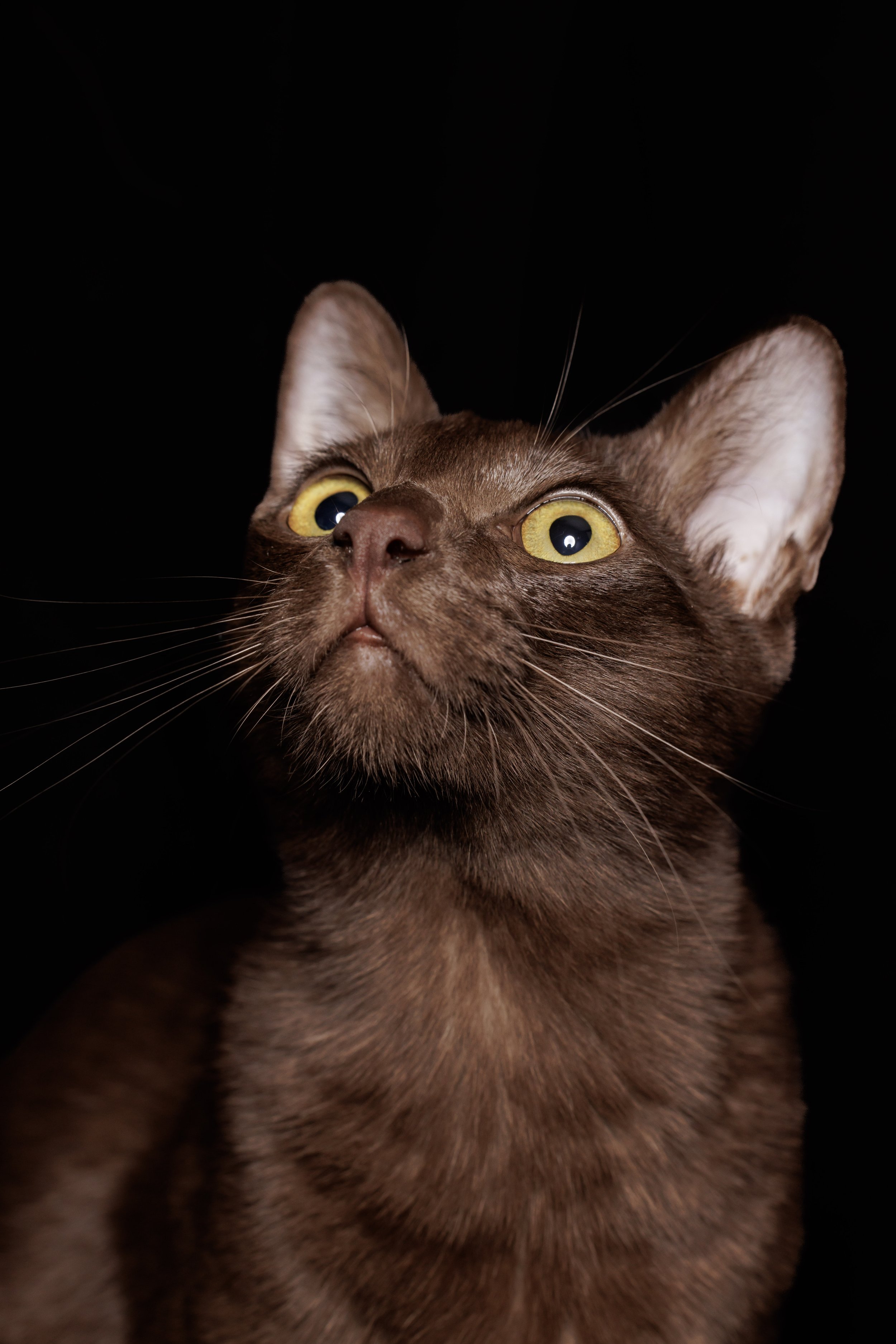
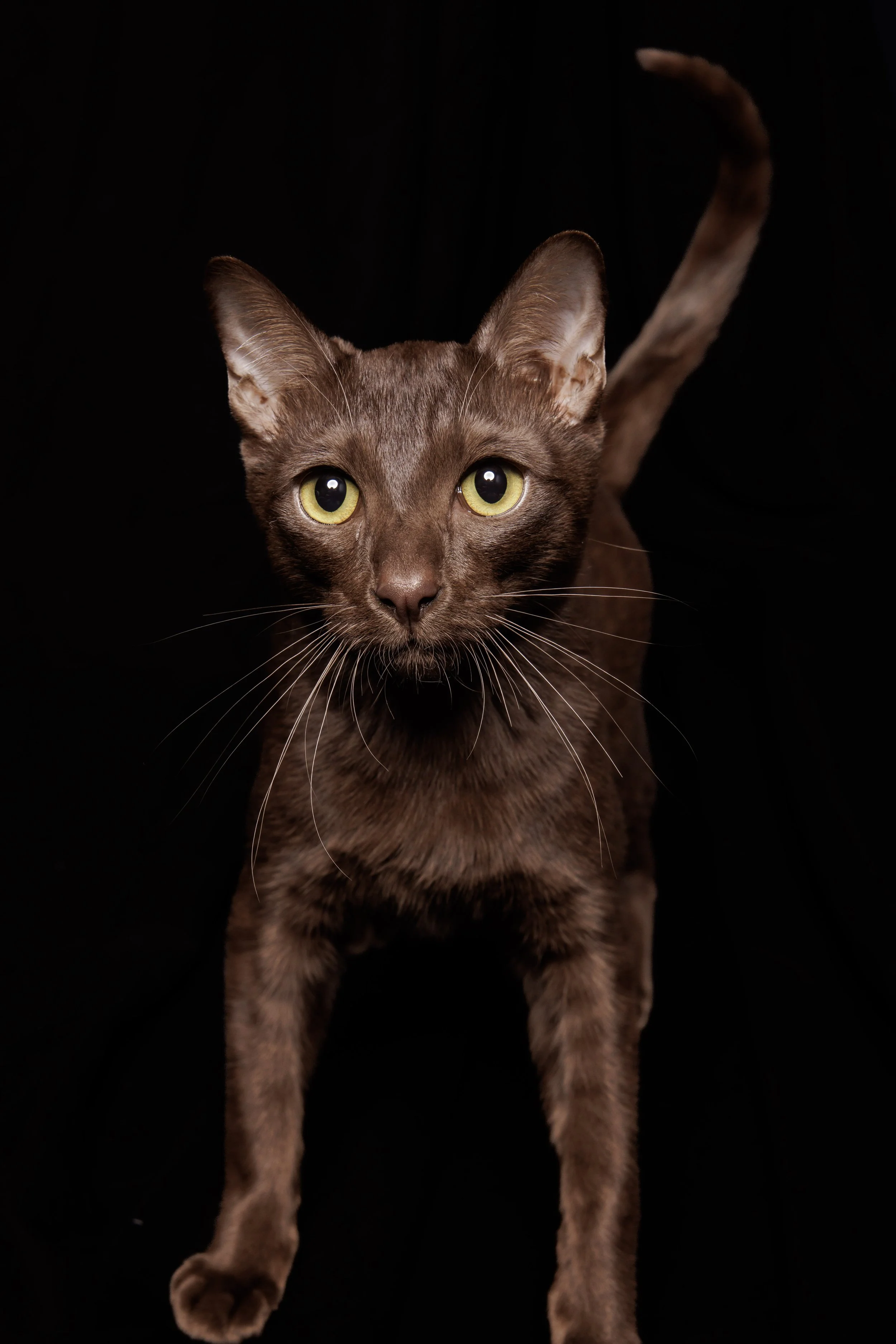
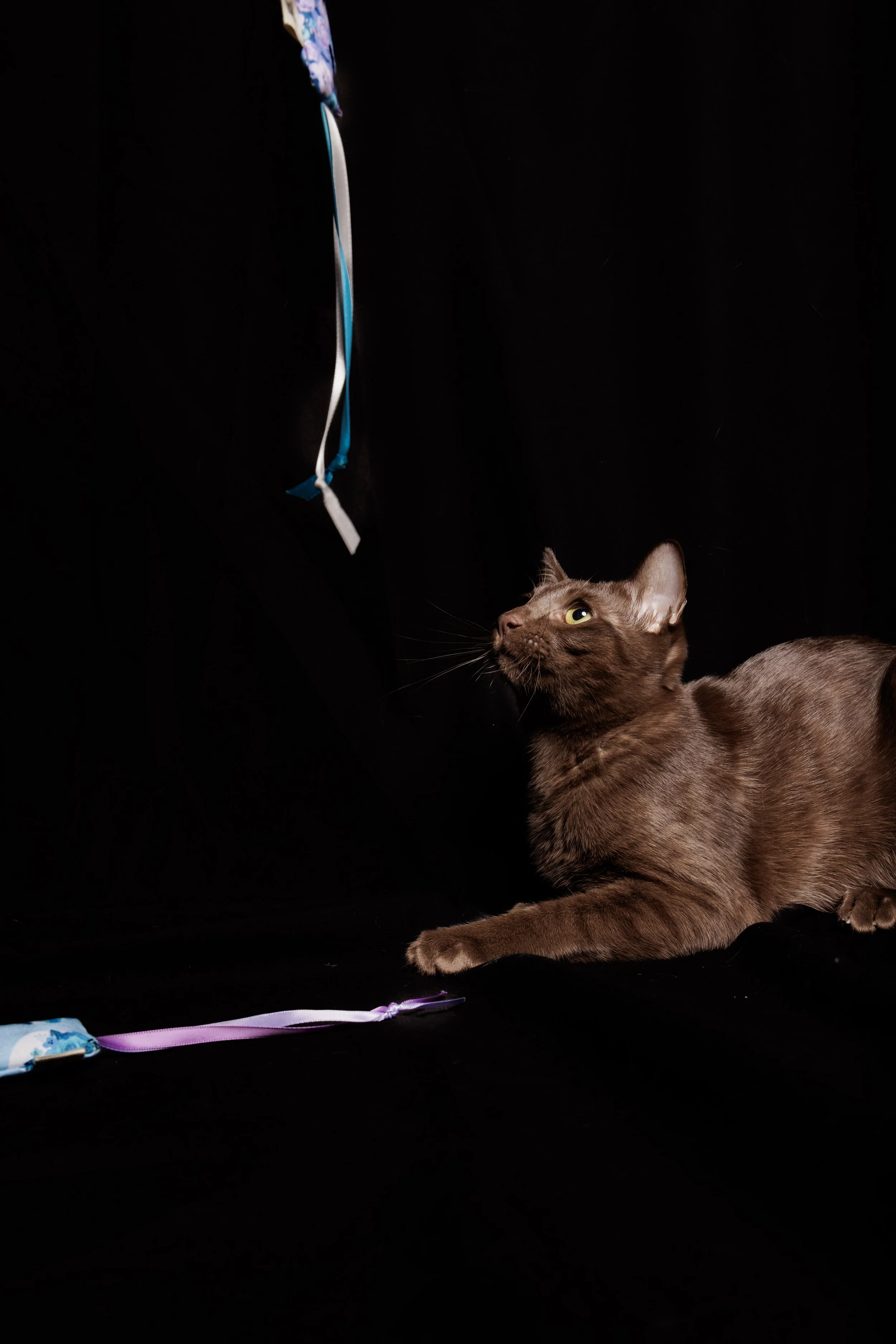
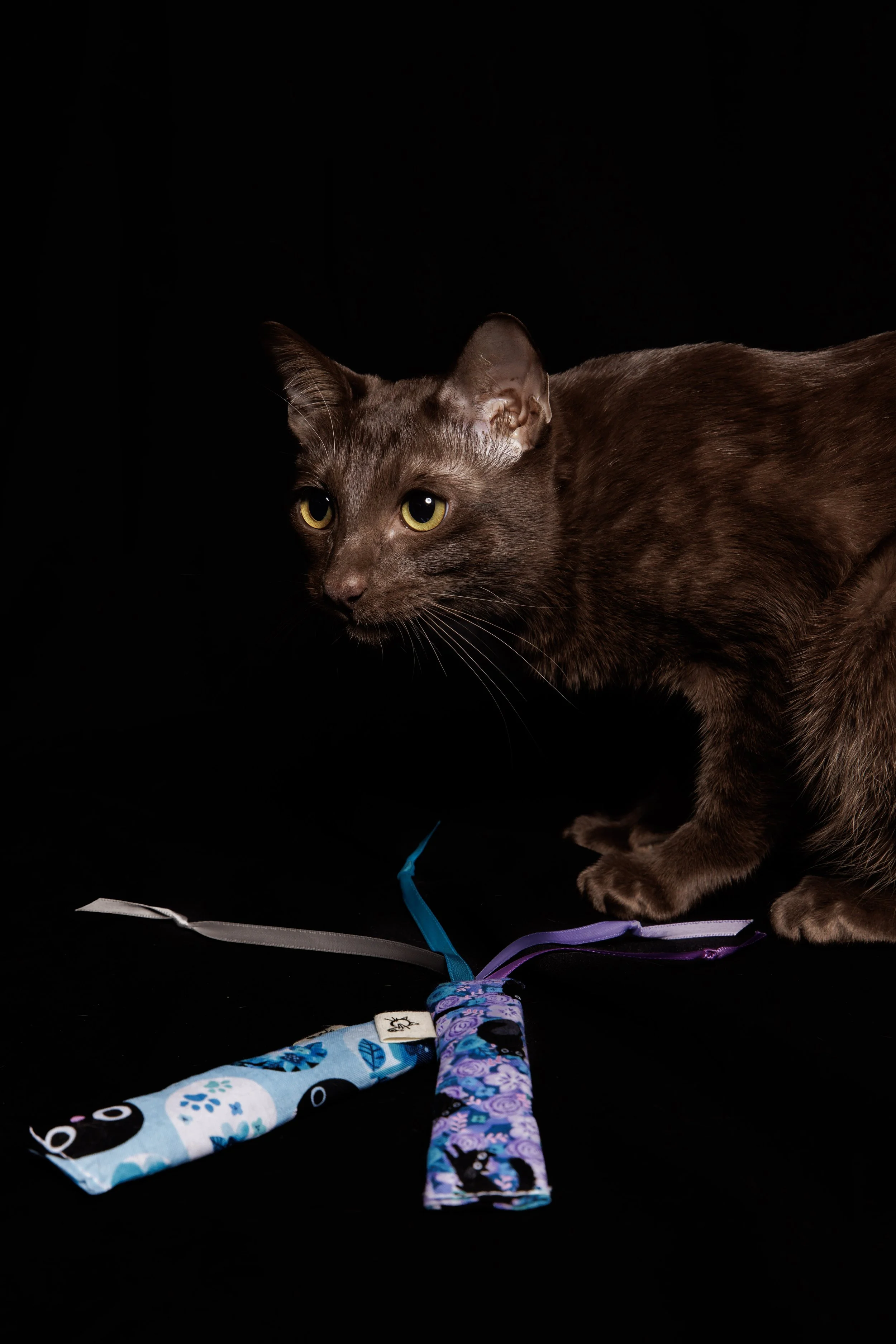
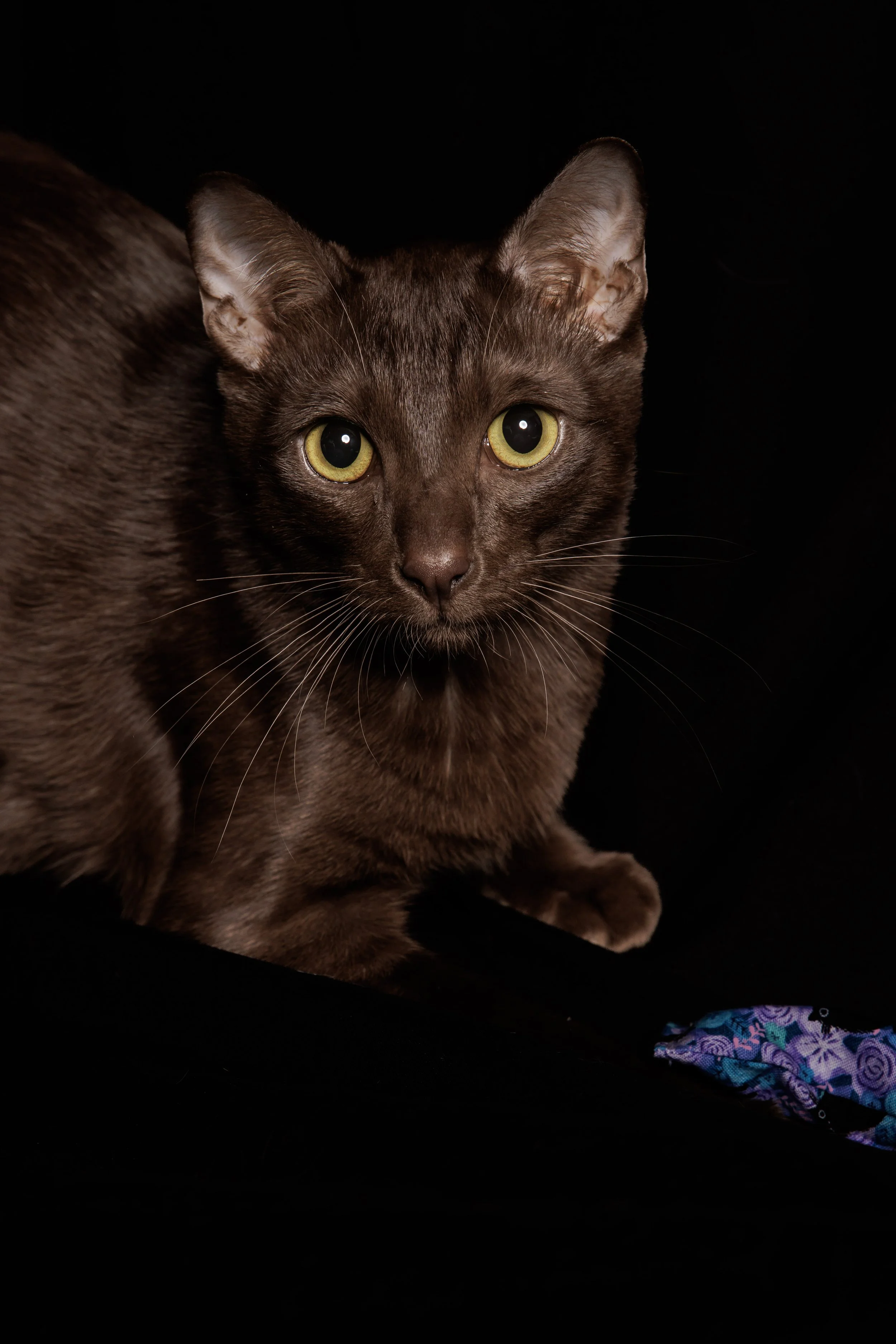
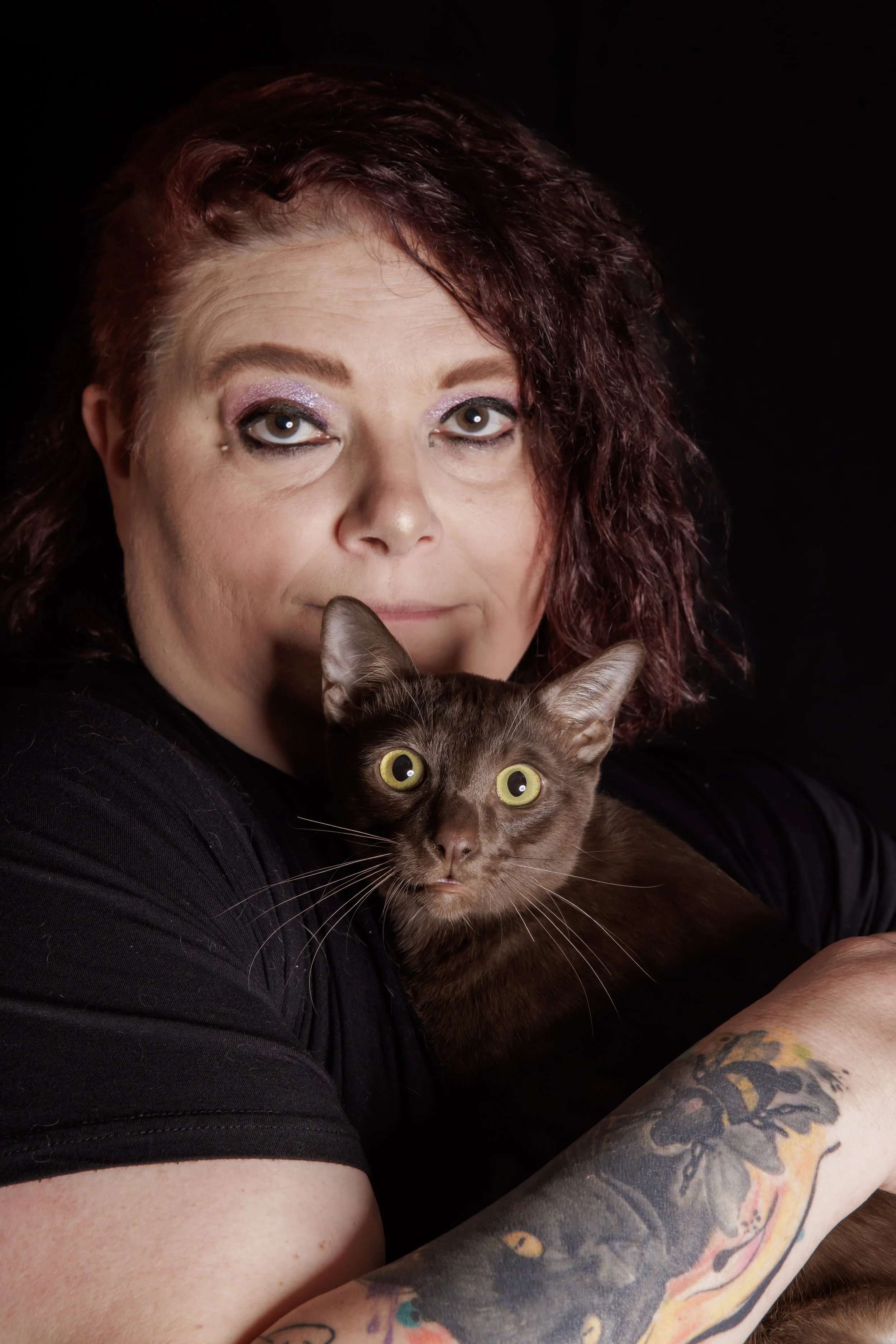
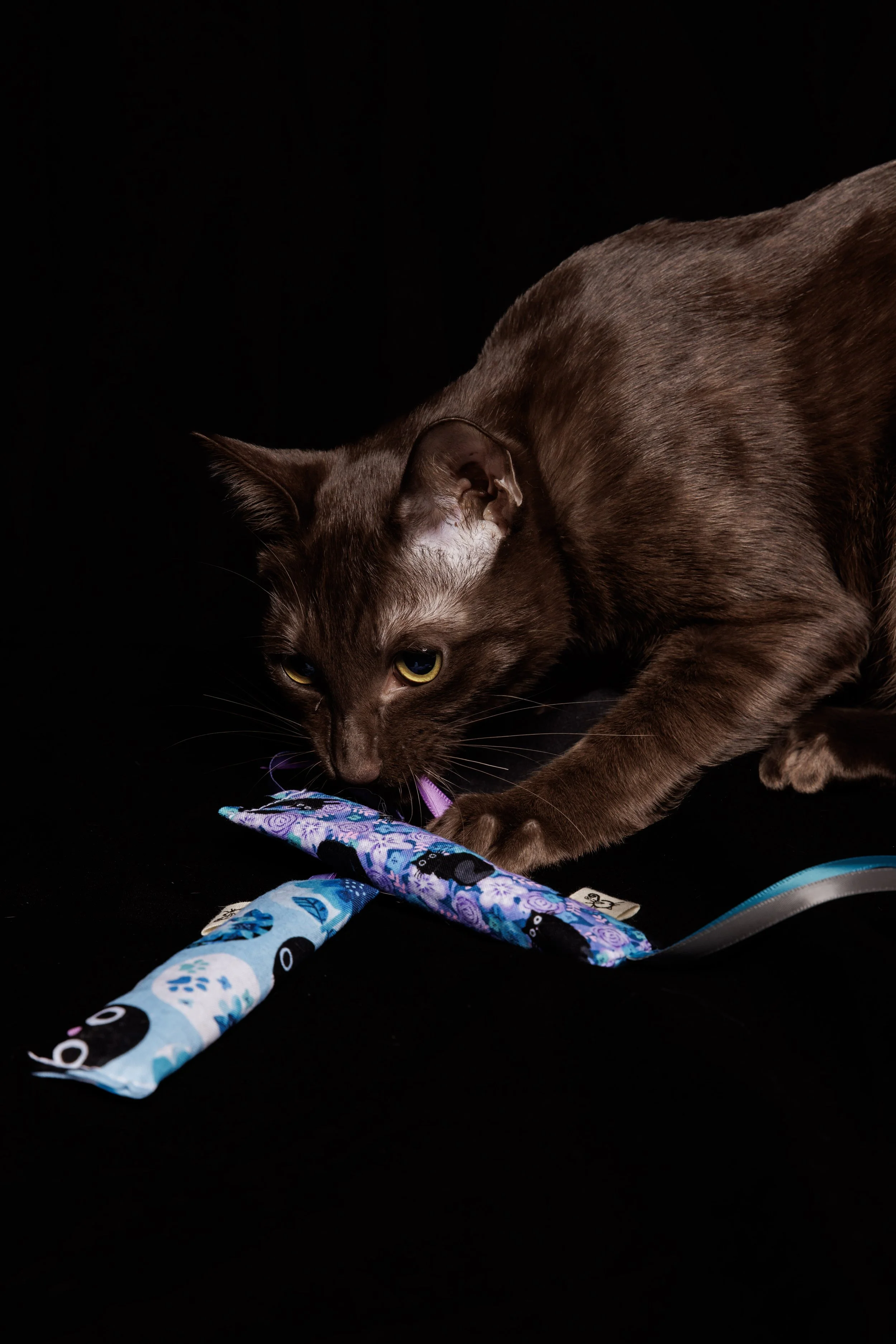
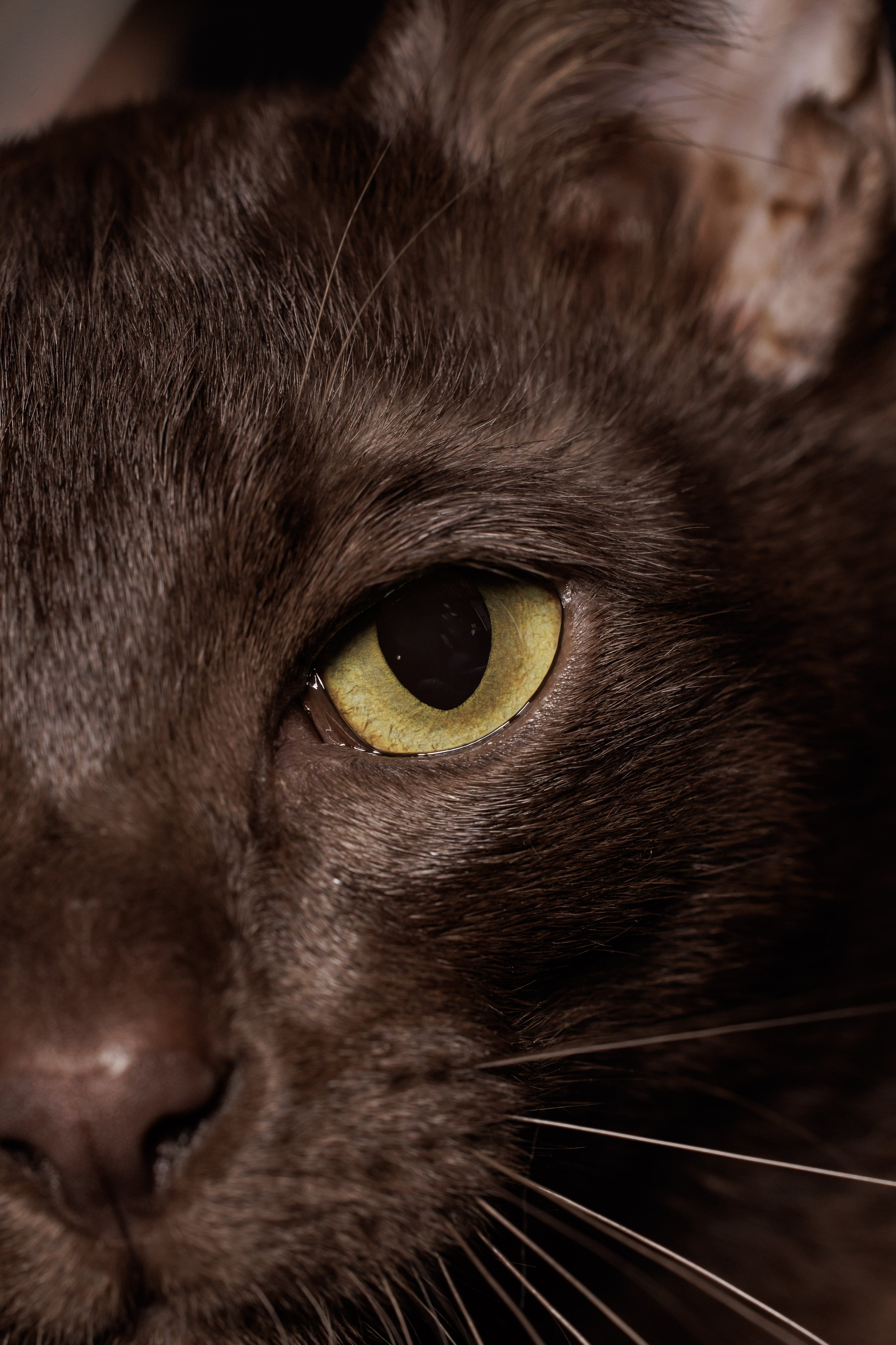
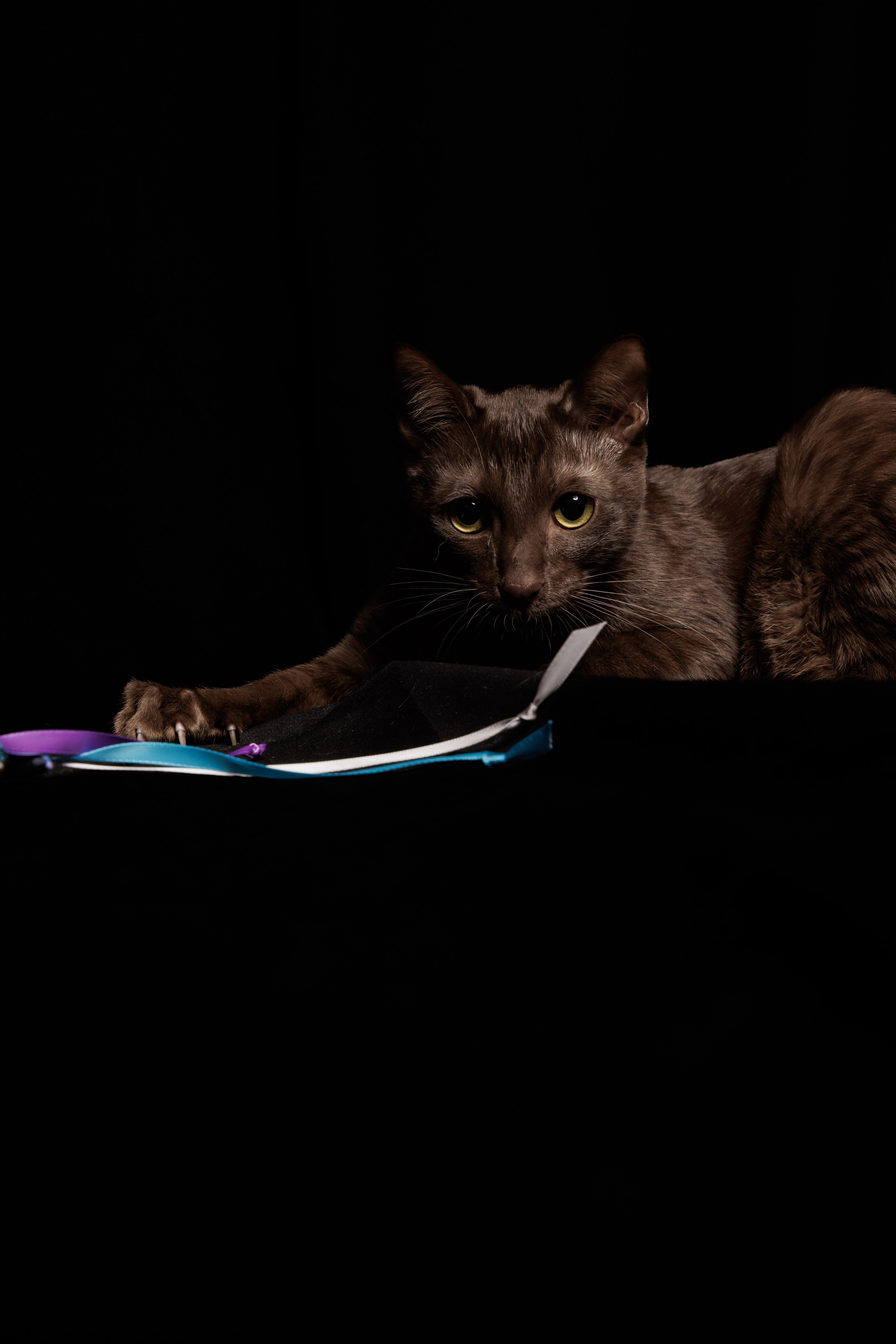
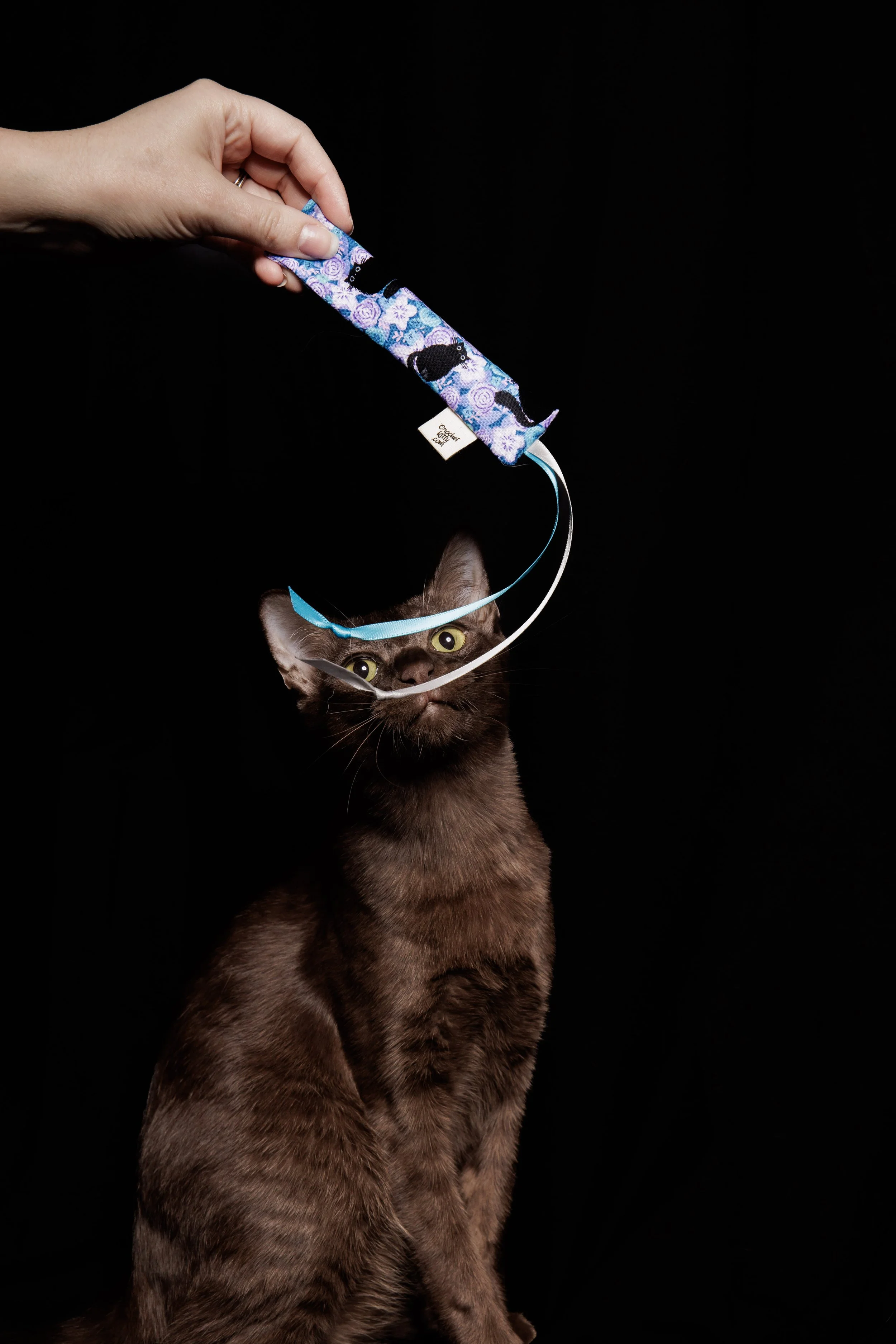
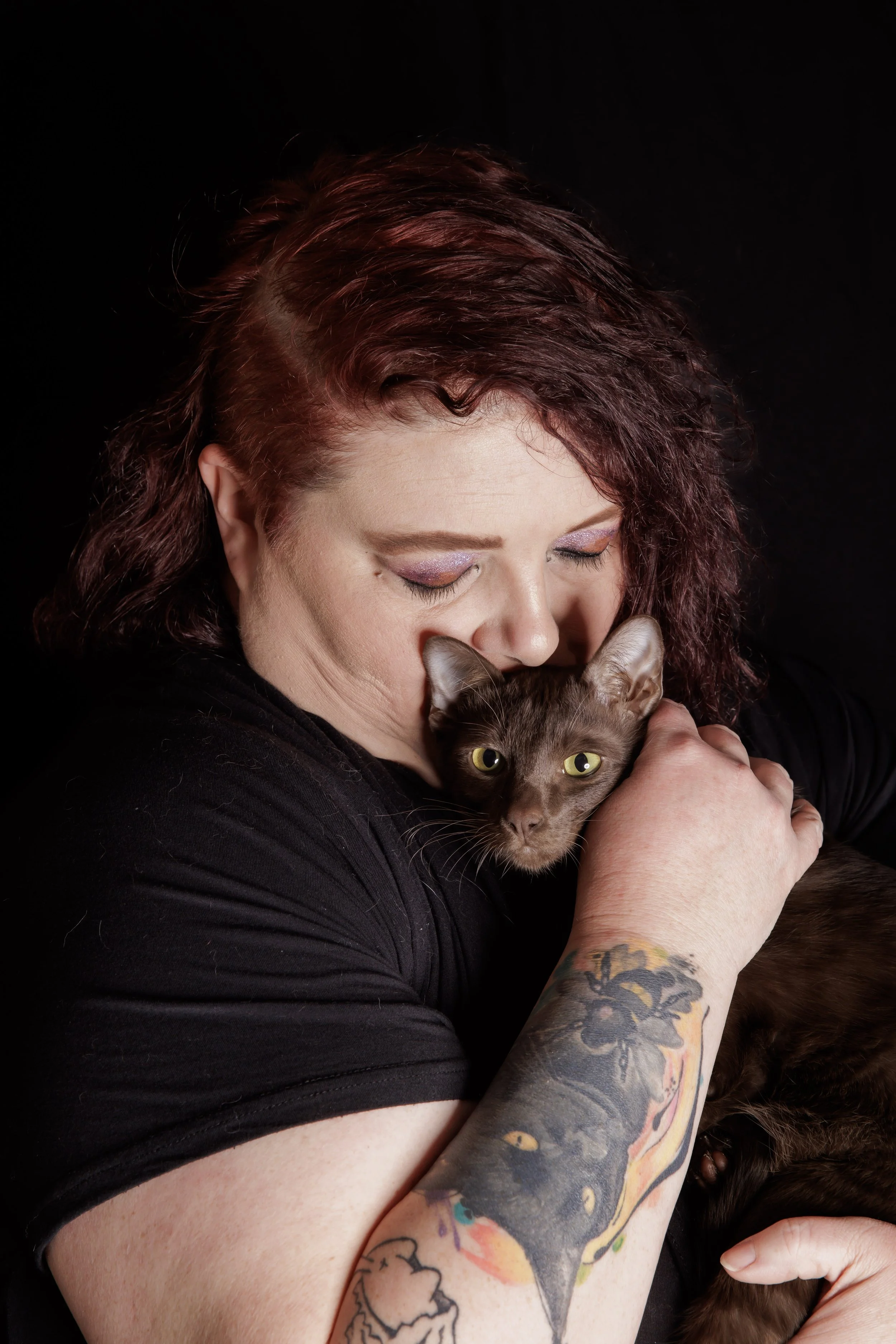
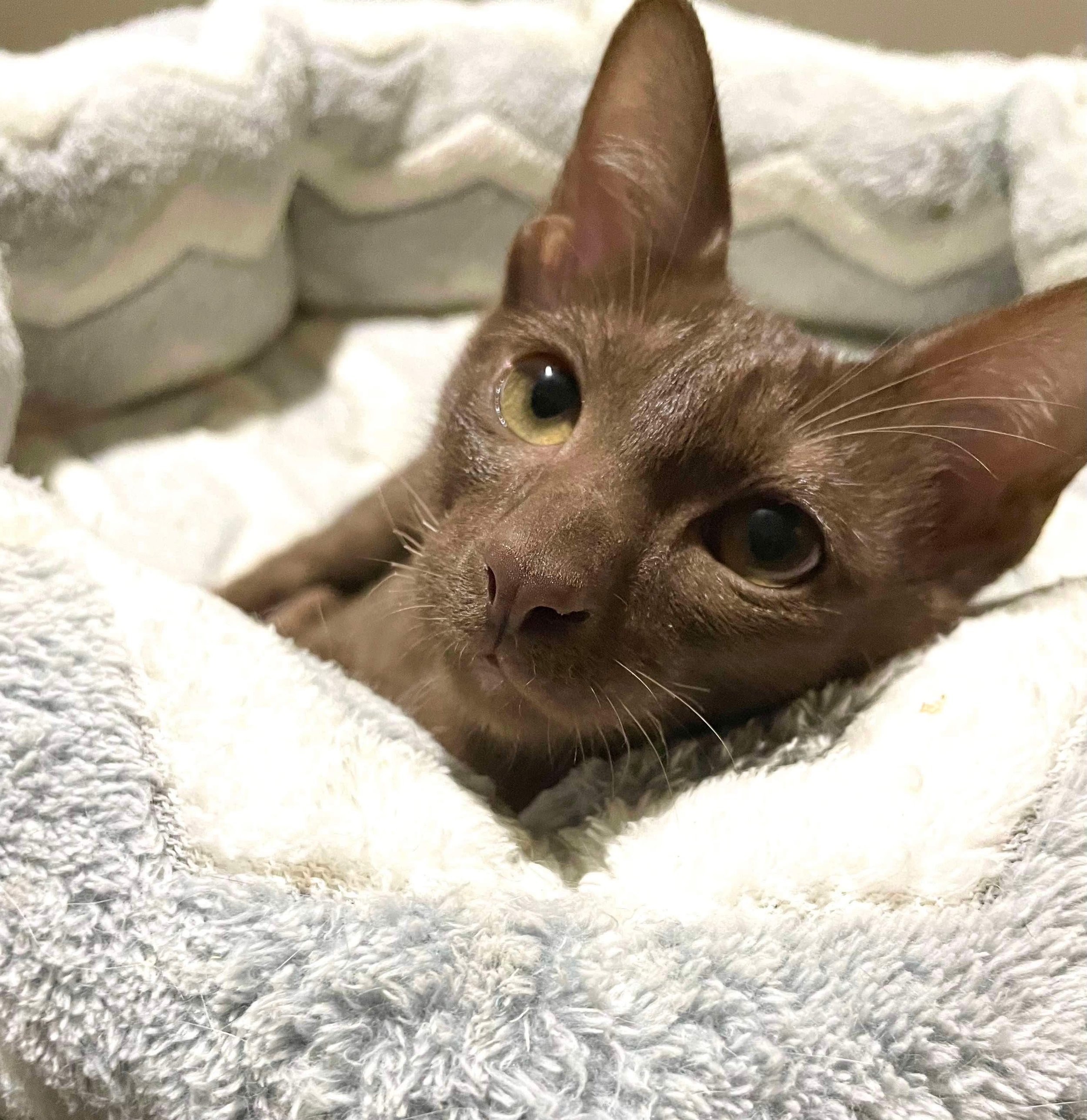
The Suphalak is one of the rarest natural cat breeds in the world and one of Thailand’s most treasured heritage cats. Known for its distinctive copper-brown coat and affectionate personality, the Suphalak has been described in Thai literature and cultural records for centuries.
Today only a small number of preservation breeding programs exist worldwide. Phoenix Legacy Thai Cats participates in this effort by working to protect the Suphalak’s historic traits, genetic health, and cultural heritage.
These cats are not simply rare pets—they are living representatives of one of Thailand’s ancient cat lineages.
Coat - Solid copper-brown with rich, warm tones
Coat Type - Short, smooth, and glossy
Eyes - Yellow to golden
Body - Medium-large, muscular, athletic
Temperament - Extremely affectionate, intelligent, loyal
Global Population - Very small
The Suphalak’s coat color is unique among cat breeds. Its rich copper tone is often compared to polished metal or warm cinnamon and differs genetically from the chocolate coloration seen in other breeds.
Suphalaks are known for forming intense bonds with their families. They are often described as highly interactive cats that want to be involved in everything happening in the home.
Common personality traits include:
Deep loyalty to their owners
High intelligence and curiosity
Strong desire for companionship
Playful and energetic behavior
Vocal communication and expressive personalities
Many owners note that Suphalaks display dog-like loyalty and often follow their people from room to room.
Because of their social nature, they do best in homes where they receive regular interaction and companionship.
The defining feature of the Suphalak is its luminous copper coat.
This coloration should appear:
warm and rich
evenly distributed across the body
glossy and reflective in natural light
Suphalaks have a balanced, athletic body type that reflects their natural origins rather than exaggerated show features. Their musculature and posture give them an elegant yet powerful presence.
The eyes are typically golden or yellow, complementing the warmth of the coat.
The Suphalak is one of the cats described in the historic Thai manuscript collection known as the
Tamra Maew, sometimes translated as The Cat-Book Poems.
These manuscripts, believed to date back several centuries, recorded cats that were thought to bring prosperity and good fortune.
Within Thai culture, the Suphalak was associated with wealth, protection of the household, and positive fortune. Historically these cats were often kept by nobility and respected households.
Although the Suphalak has ancient roots in Thailand, the breed nearly disappeared during the twentieth century.
Several factors contributed to its rarity:
limited breeding populations
confusion with other brown-colored cats
changing international breeding trends
Only recently have preservation programs begun rebuilding the global Suphalak population through careful collaboration with Thai breeders.
As a result, Suphalaks remain one of the rarest domestic cat breeds in the world.
Because the Suphalak population is small, preservation breeding must be approached with exceptional care.
Responsible programs focus on:
maintaining the correct copper coloration
protecting genetic diversity
preserving the breed’s natural body structure
prioritizing temperament and health
Phoenix Legacy is committed to participating in this preservation effort while respecting the cultural origins of the breed.
Phoenix Legacy does not treat kitten placement as a traditional purchase.
Each Suphalak kitten is placed through a stewardship process designed to ensure lifelong care and responsible ownership.
The placement process typically includes:
Initial inquiry and breed education
Stewardship application
Personal conversation with prospective homes
Waiting list placement
Kitten match when available
Due to the rarity of the breed and the limited number of litters, waiting periods are common.
Our goal is always to place each kitten in a home that understands the responsibility of caring for such a rare and historically significant cat.
Phoenix Legacy is currently establishing its founding Suphalak breeding program.
Our first litters are expected in the future as the program develops. Families interested in Suphalak kittens are encouraged to inquire early and join the waiting list.
Updates on upcoming litters will be shared as they become available.
If you are interested in becoming a steward for a Suphalak kitten, we welcome you to begin the conversation with Phoenix Legacy.
These cats thrive in homes that appreciate their intelligence, companionship, and extraordinary heritage.
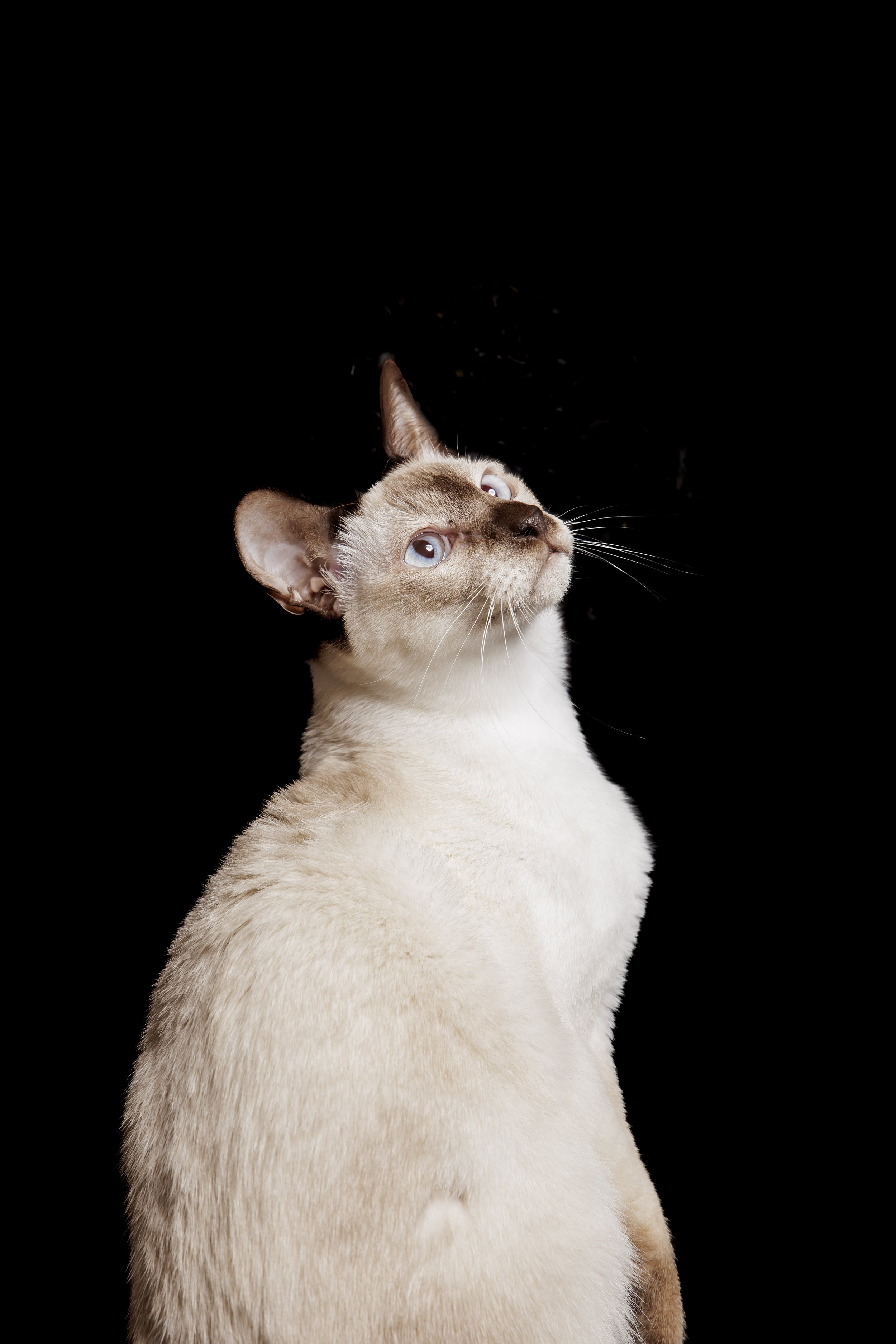
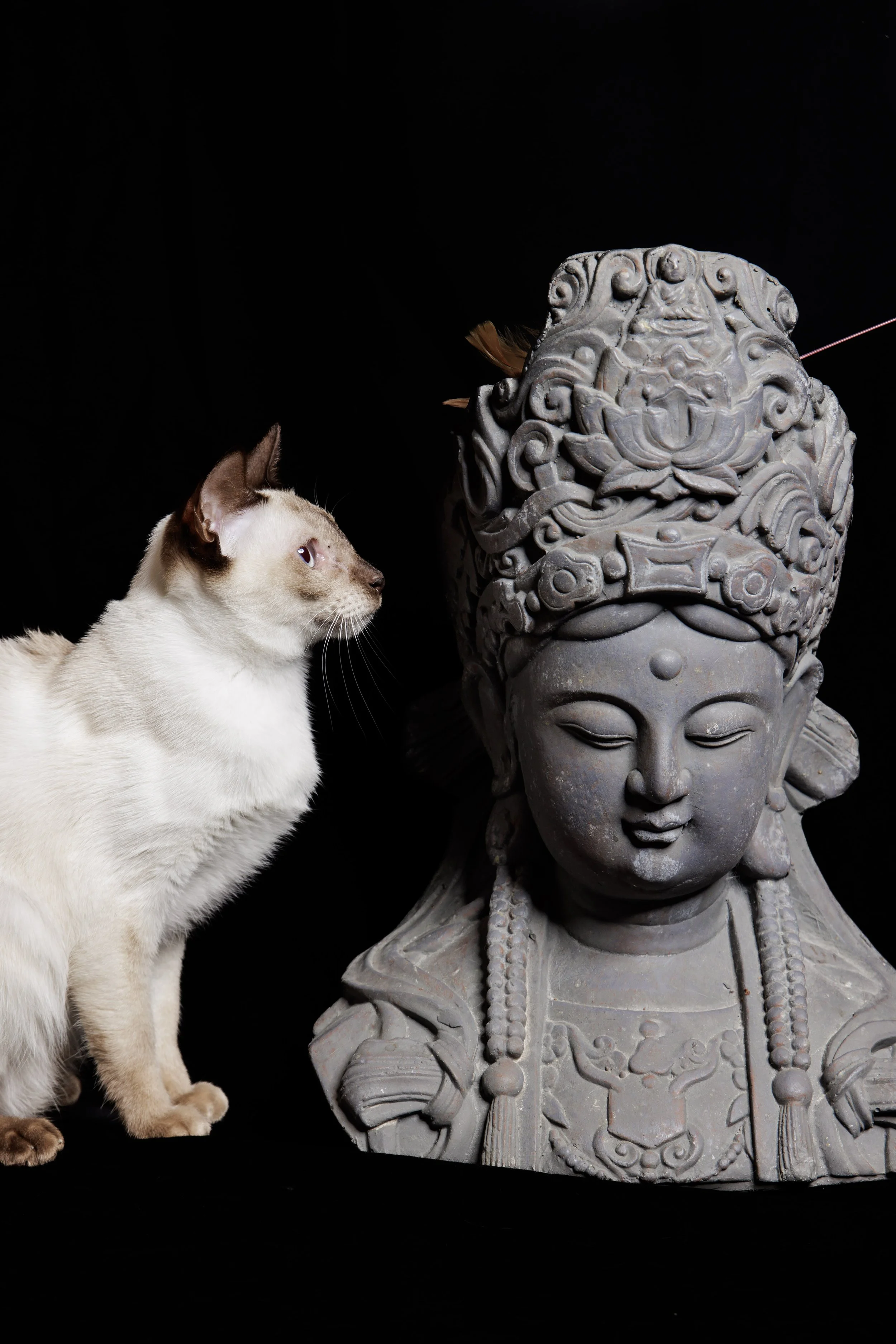
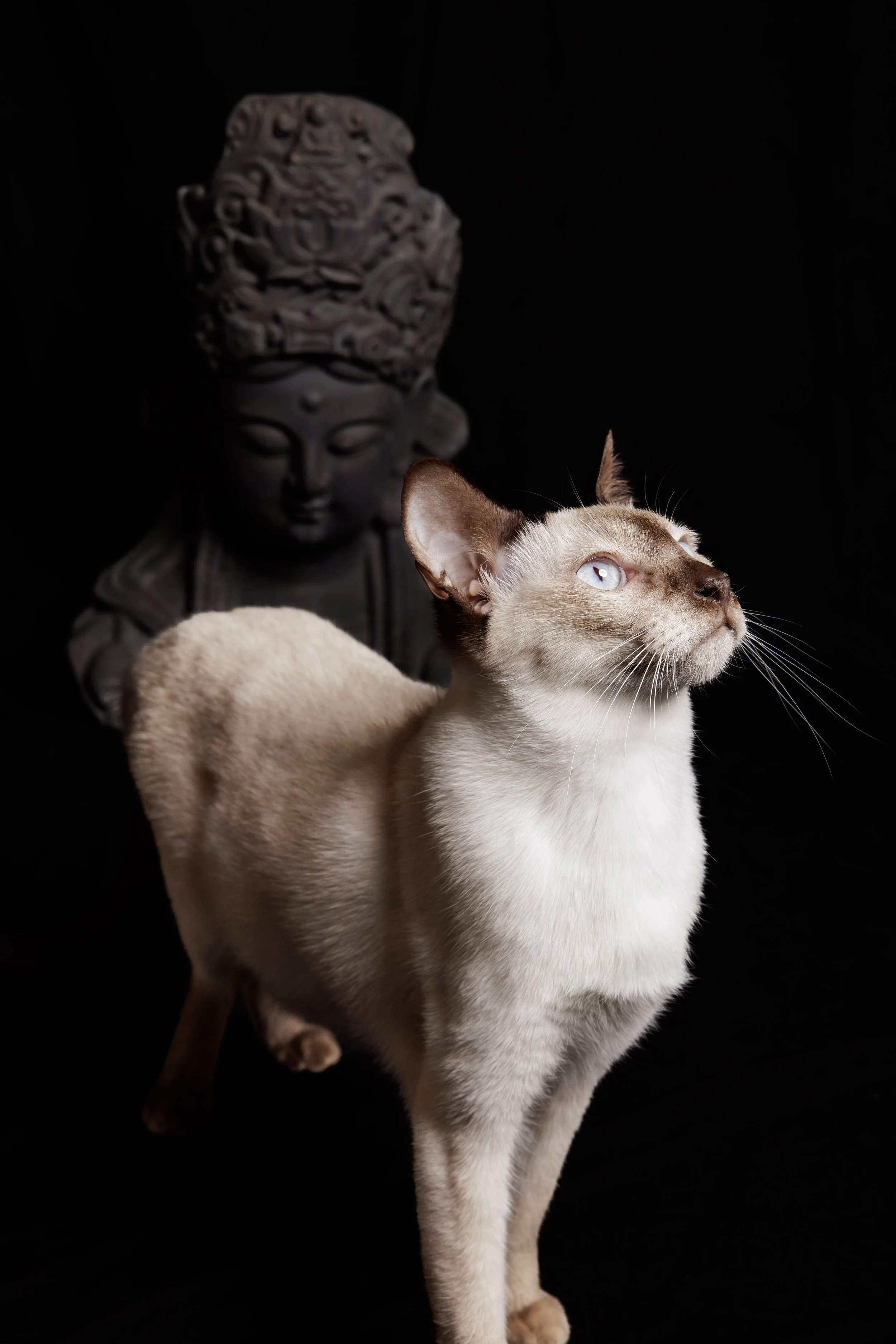
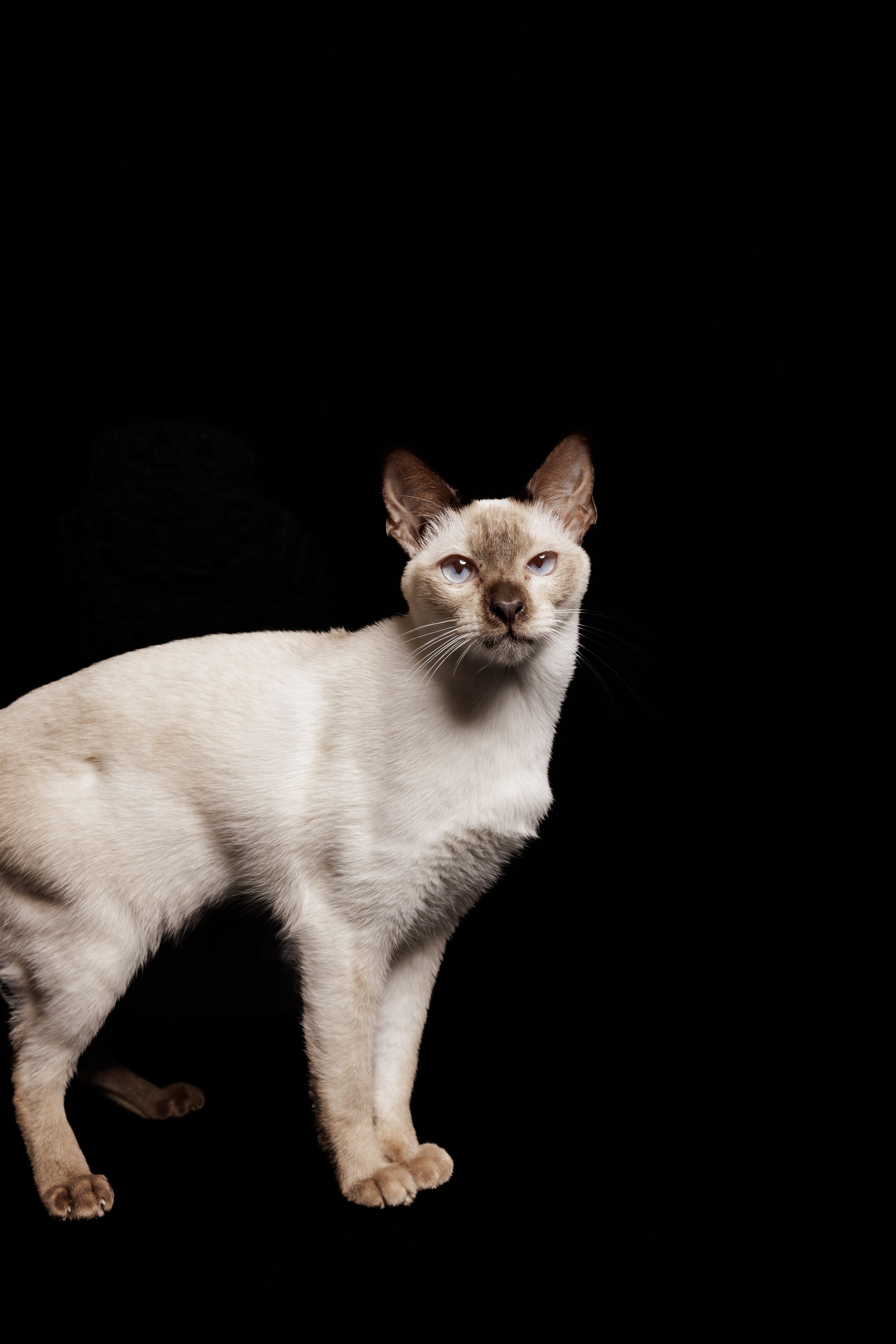
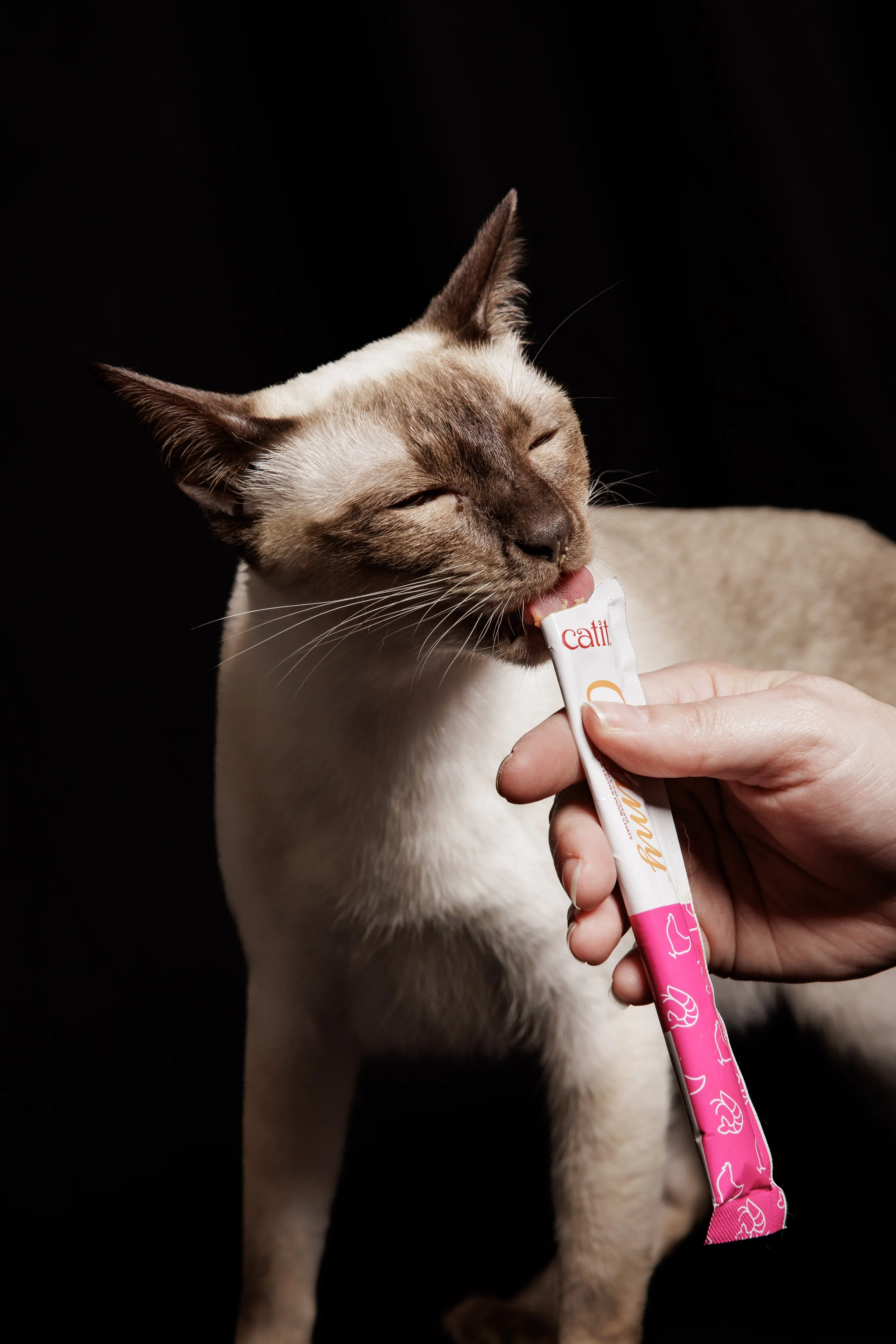
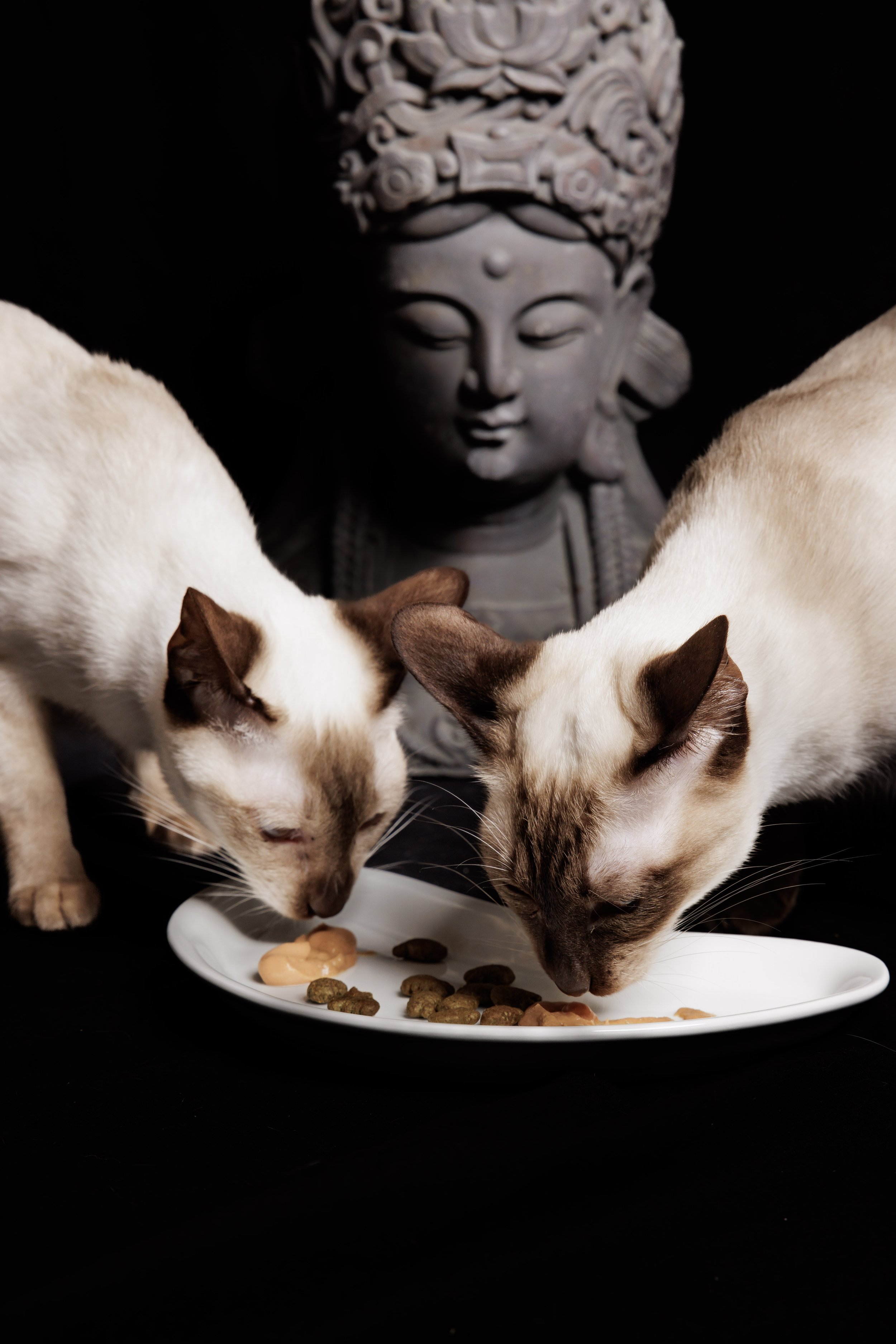
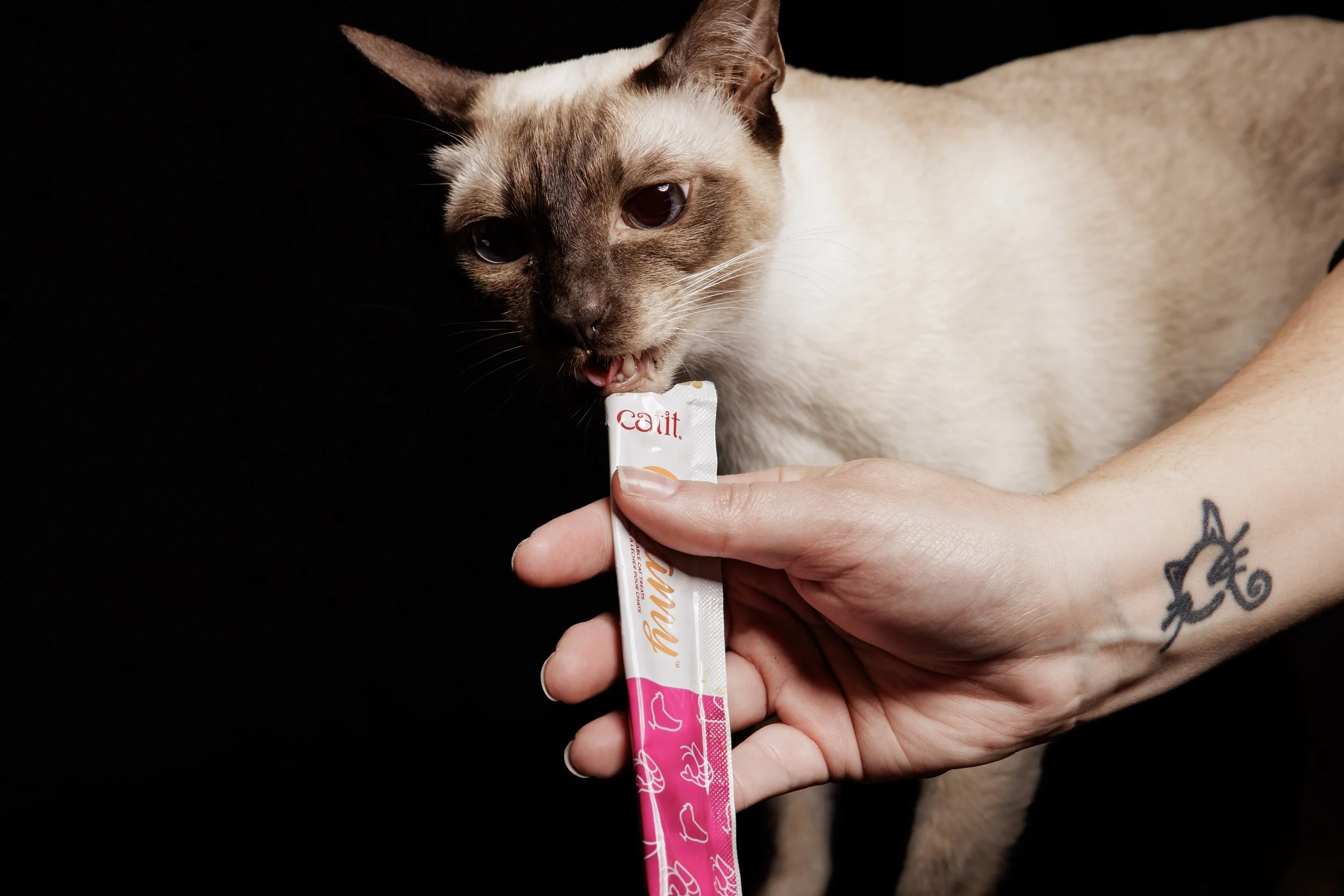
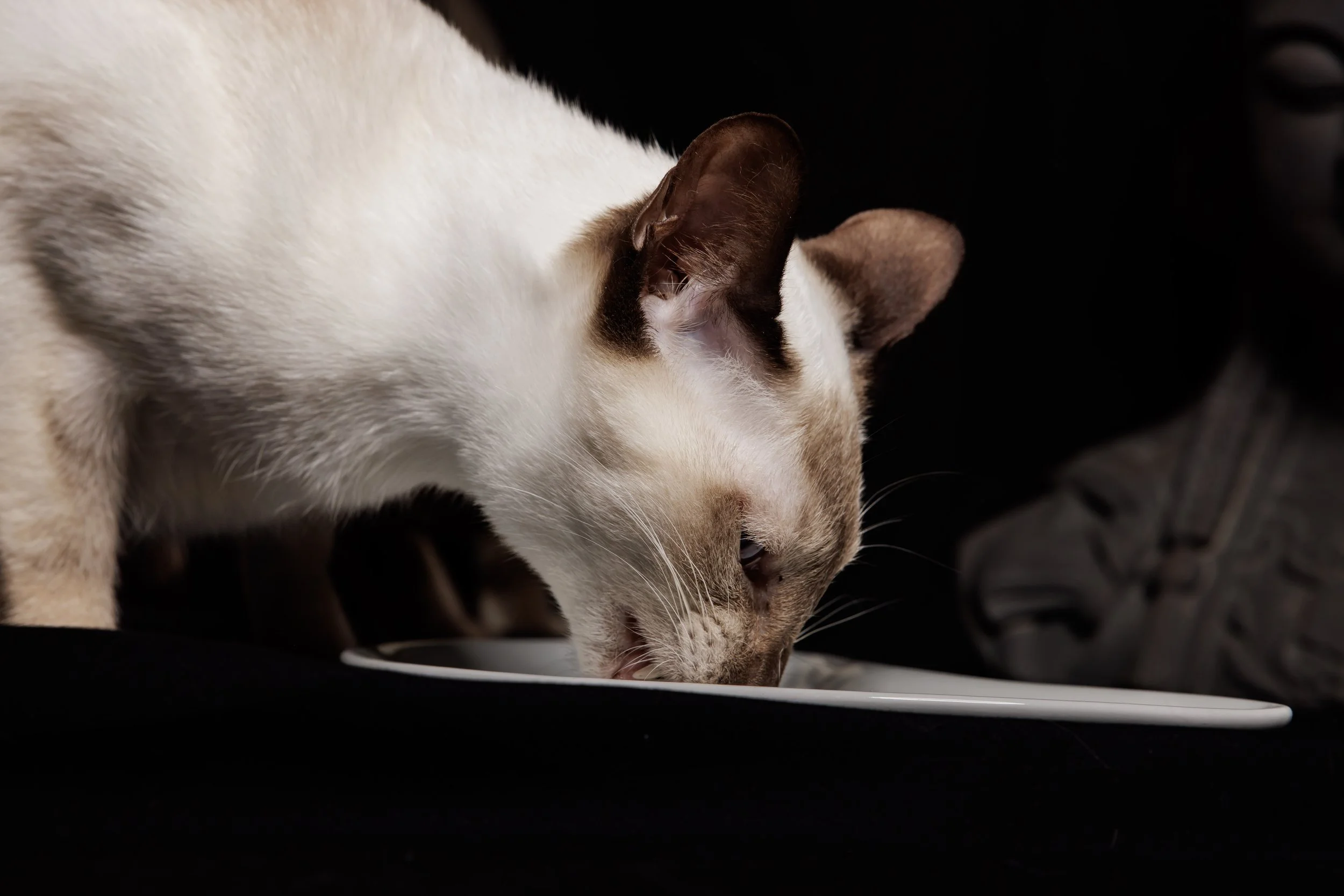
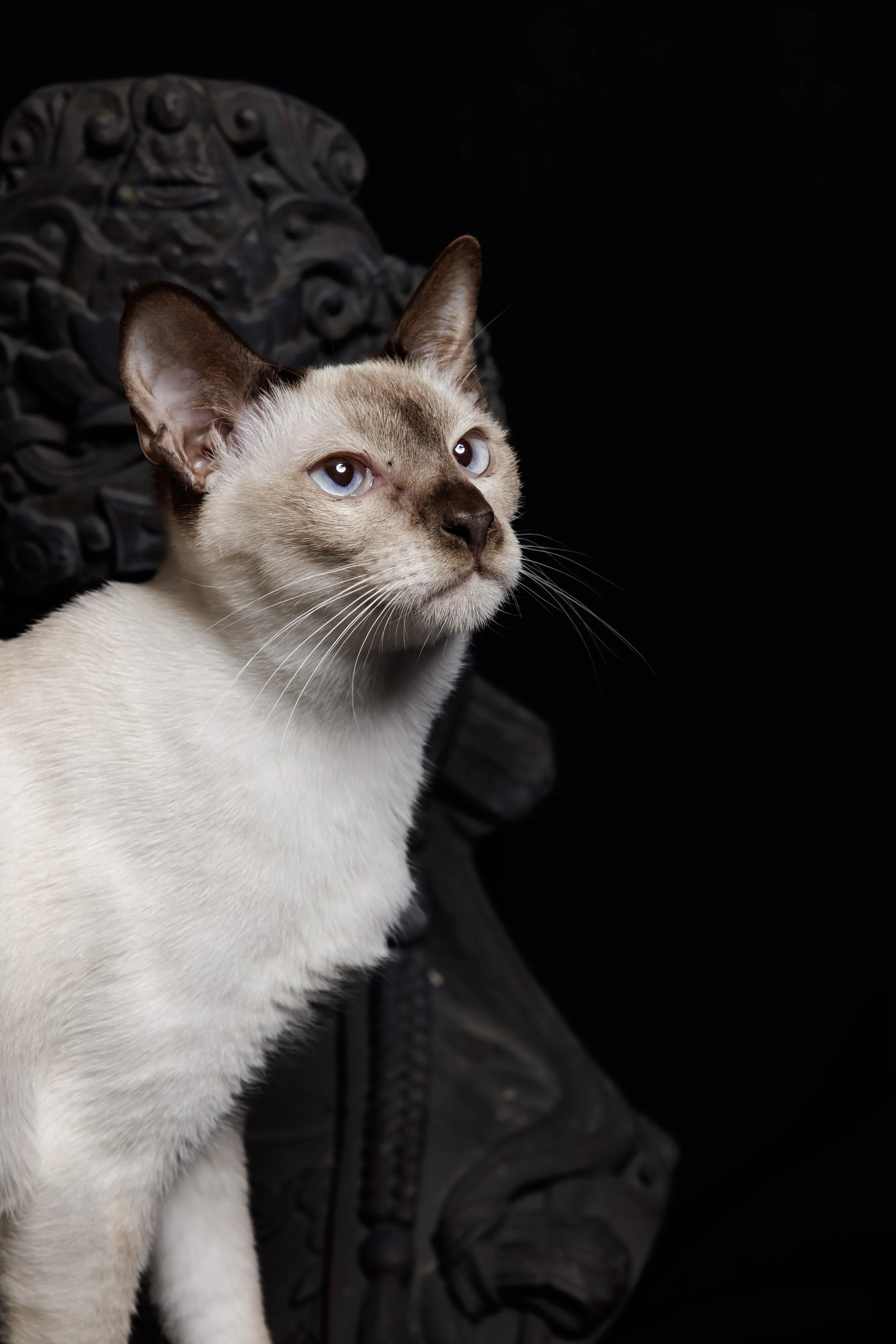
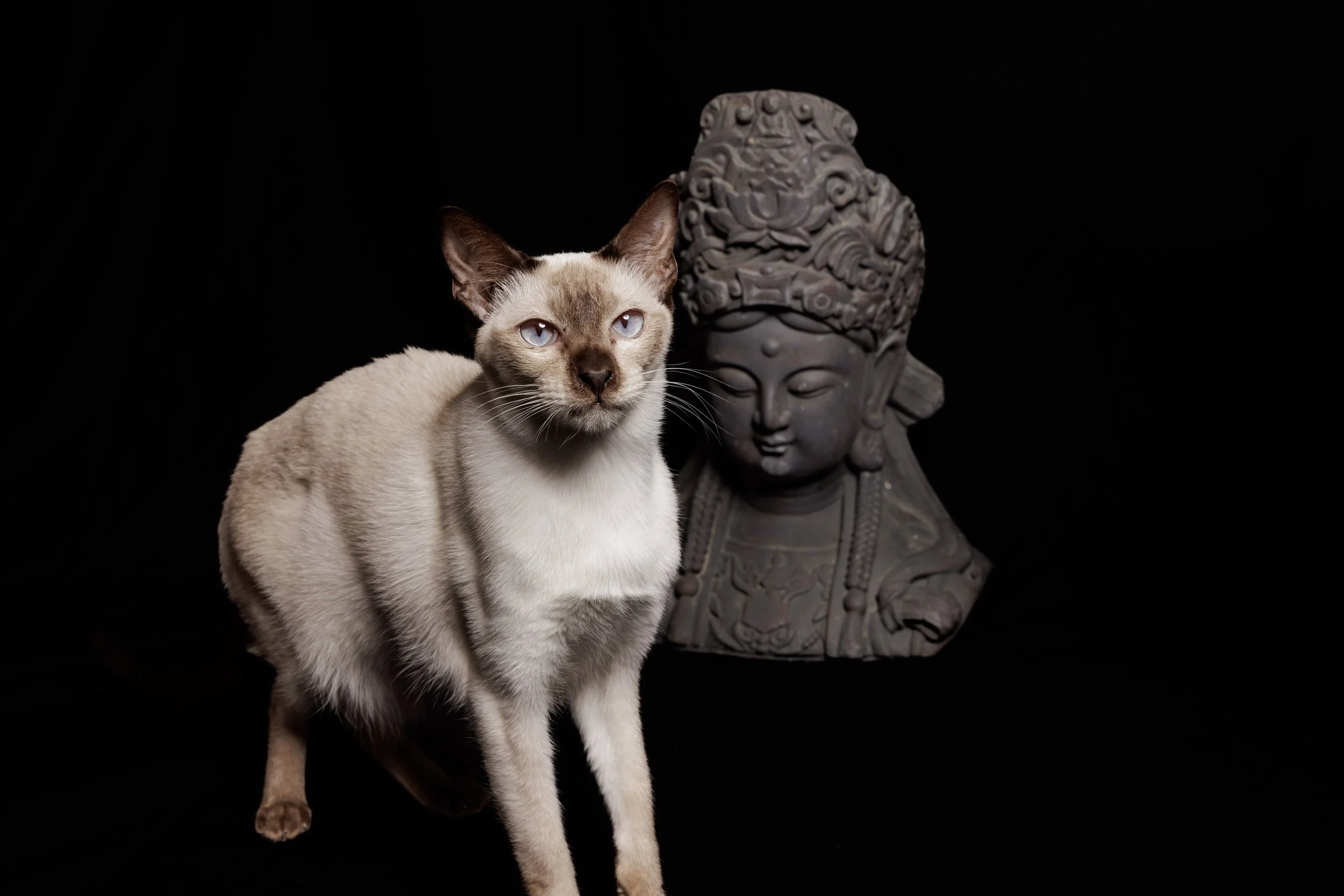
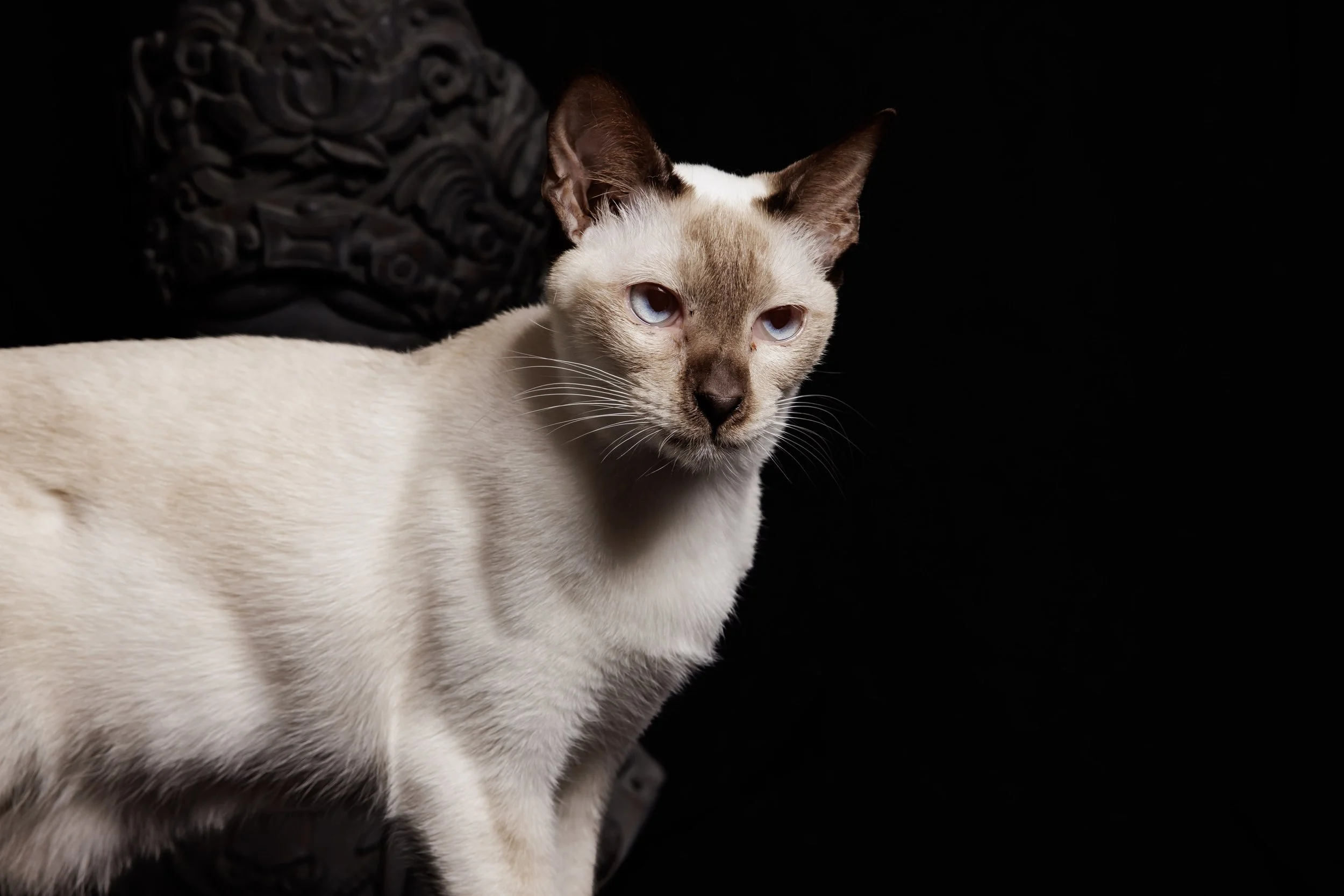
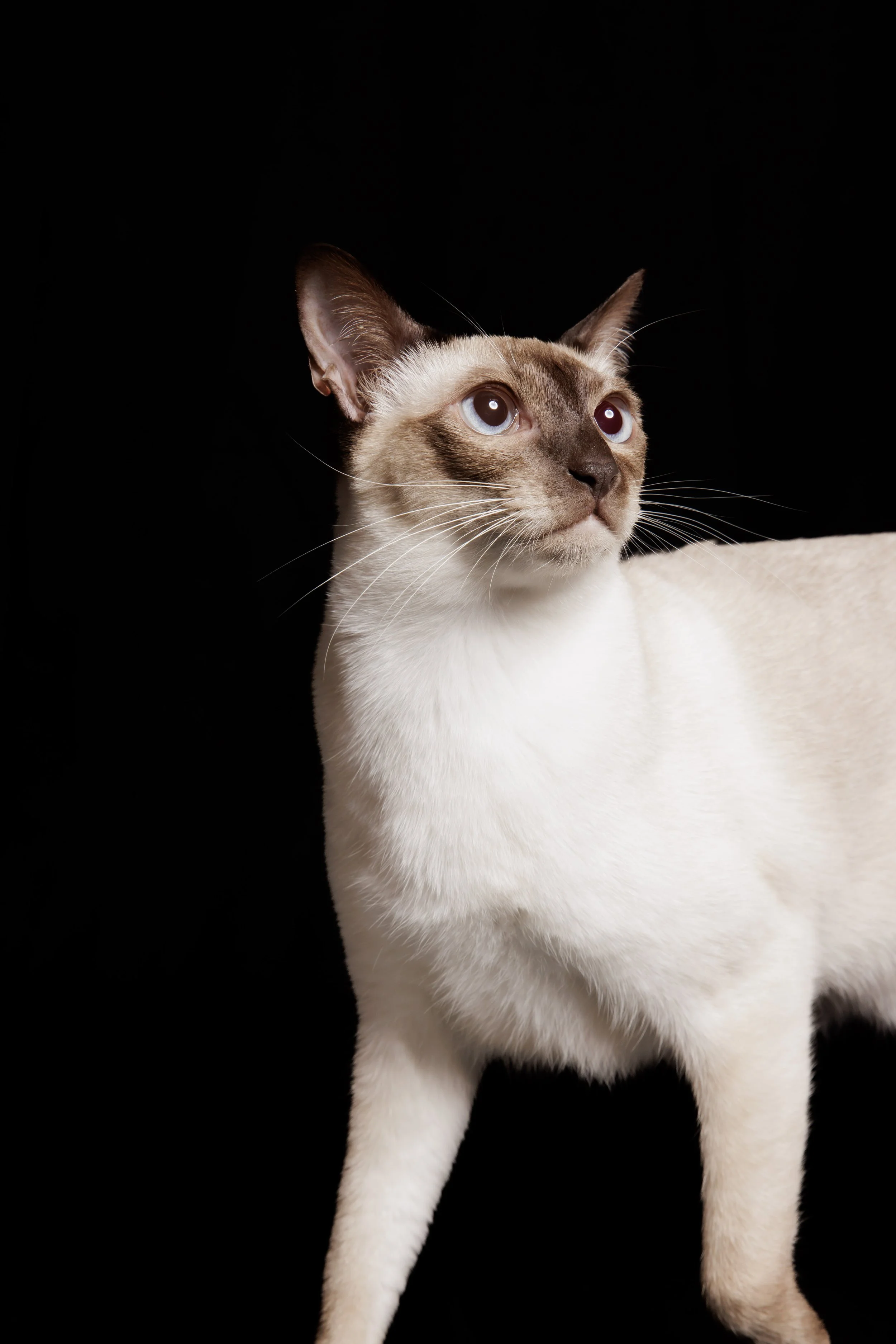
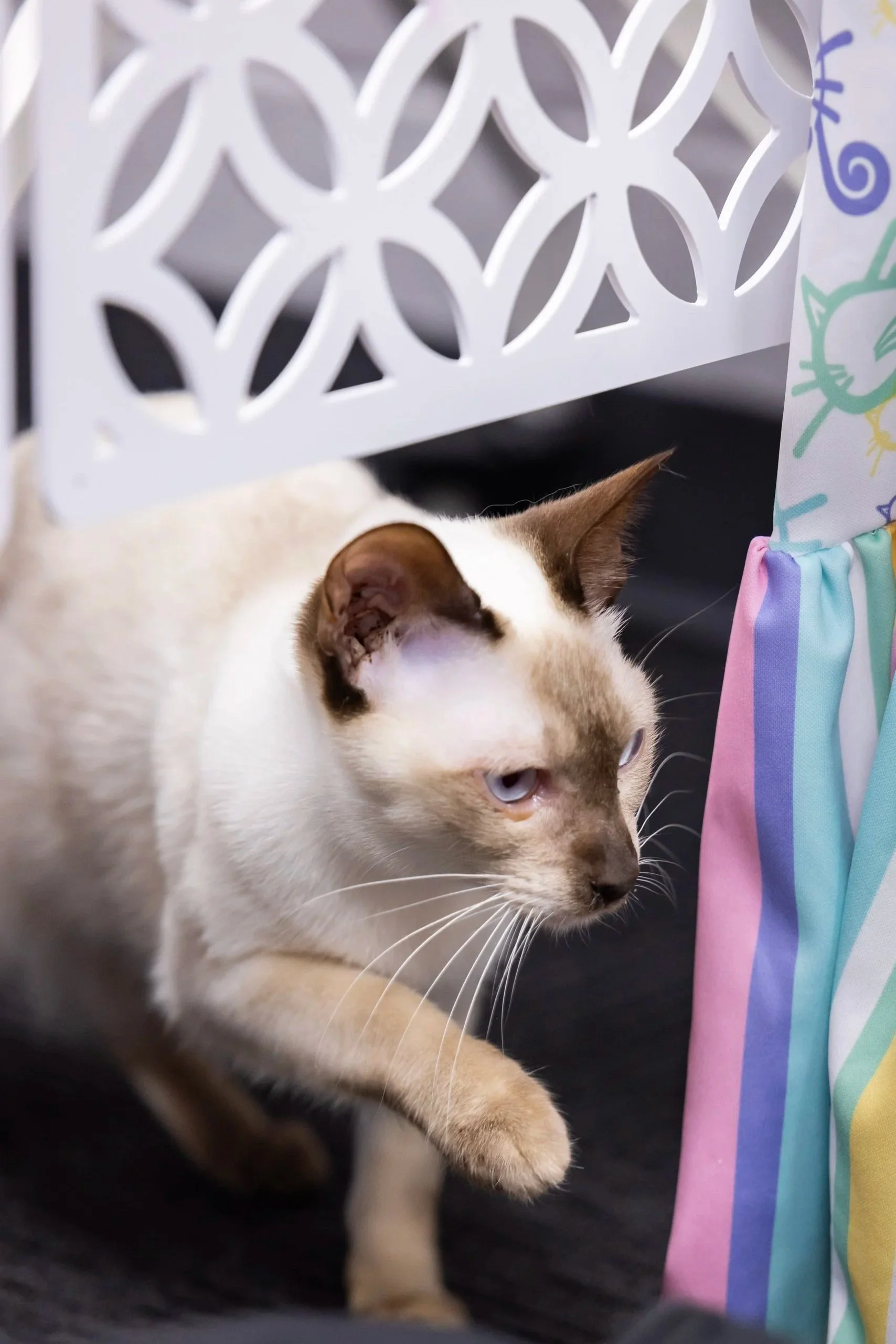
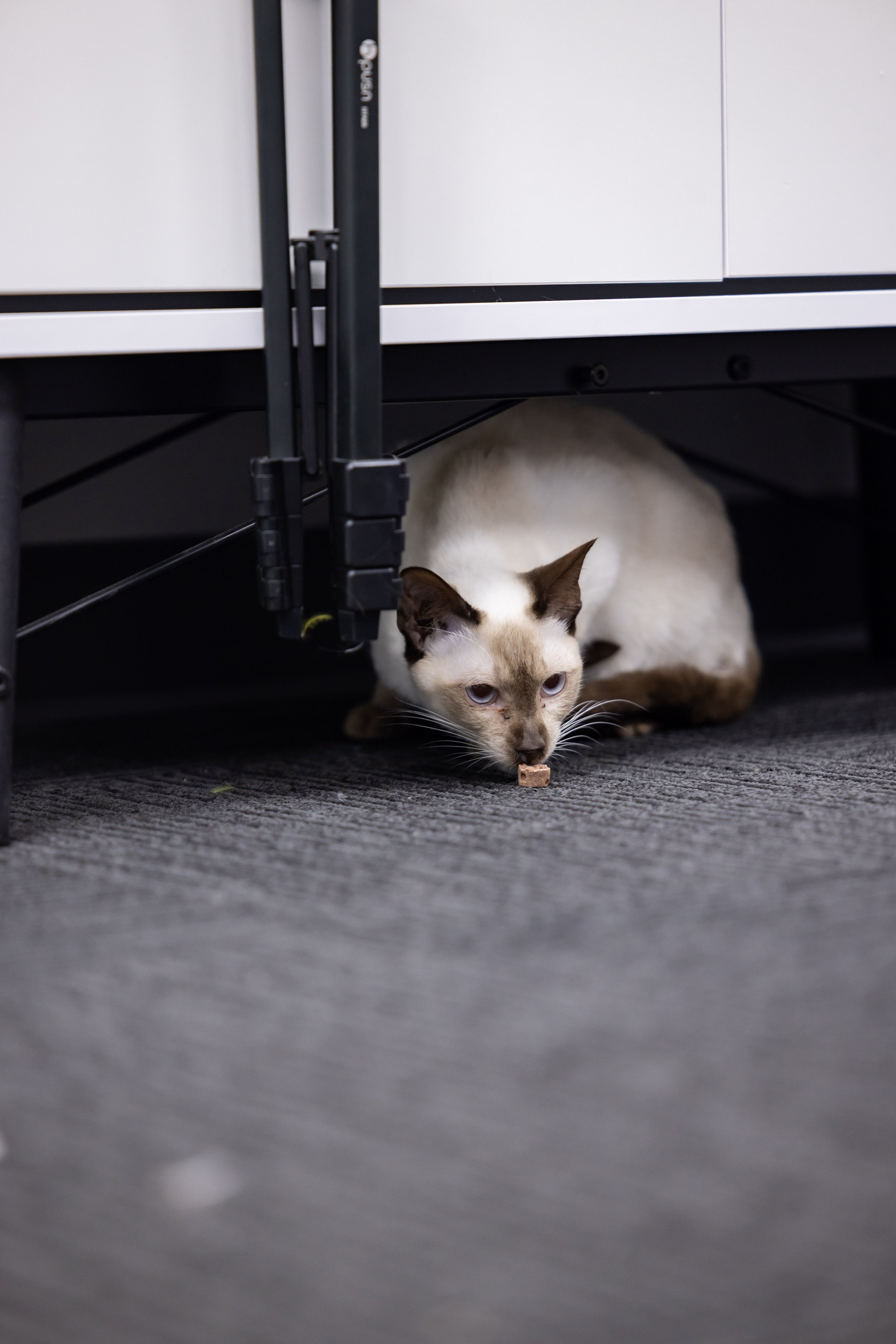
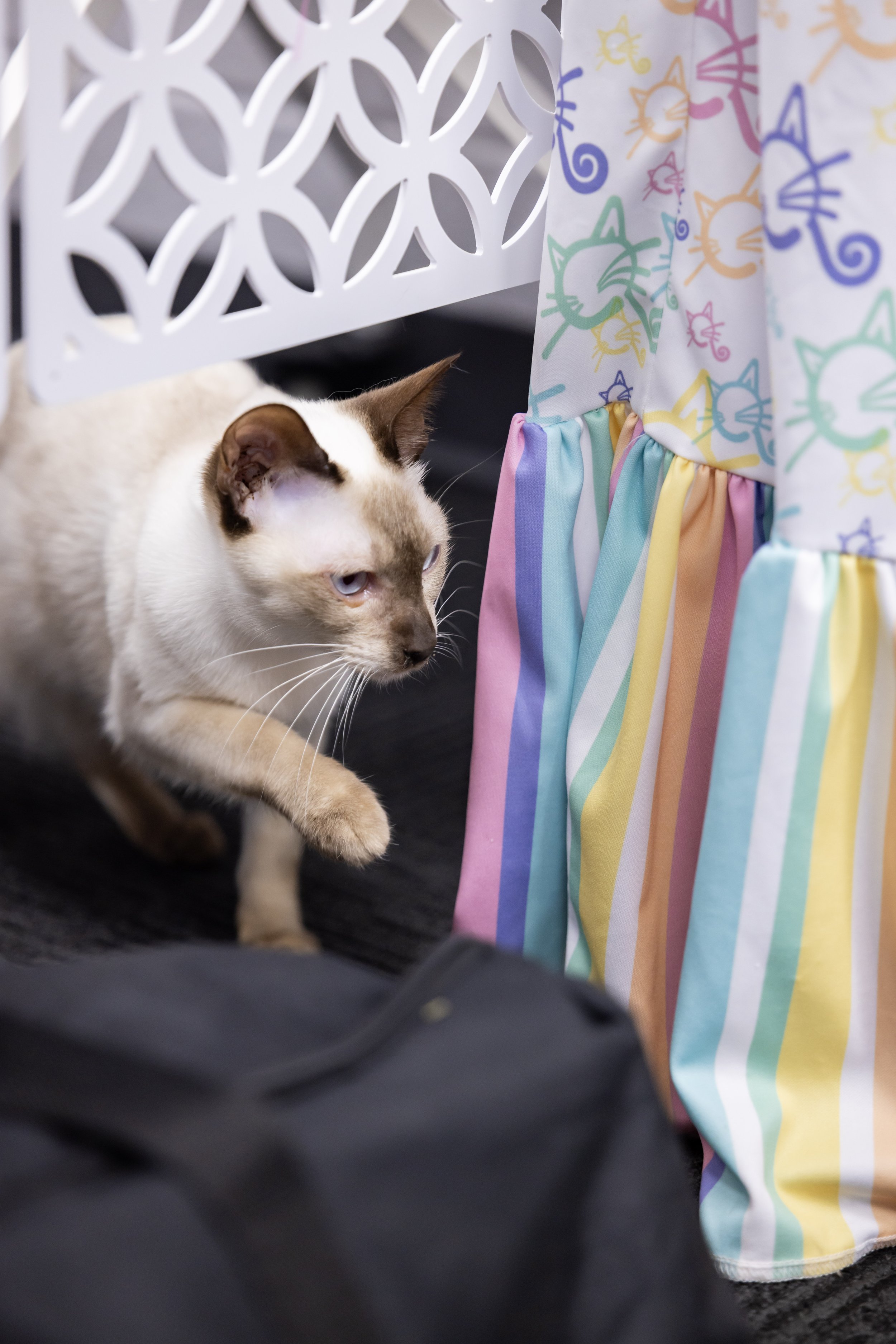
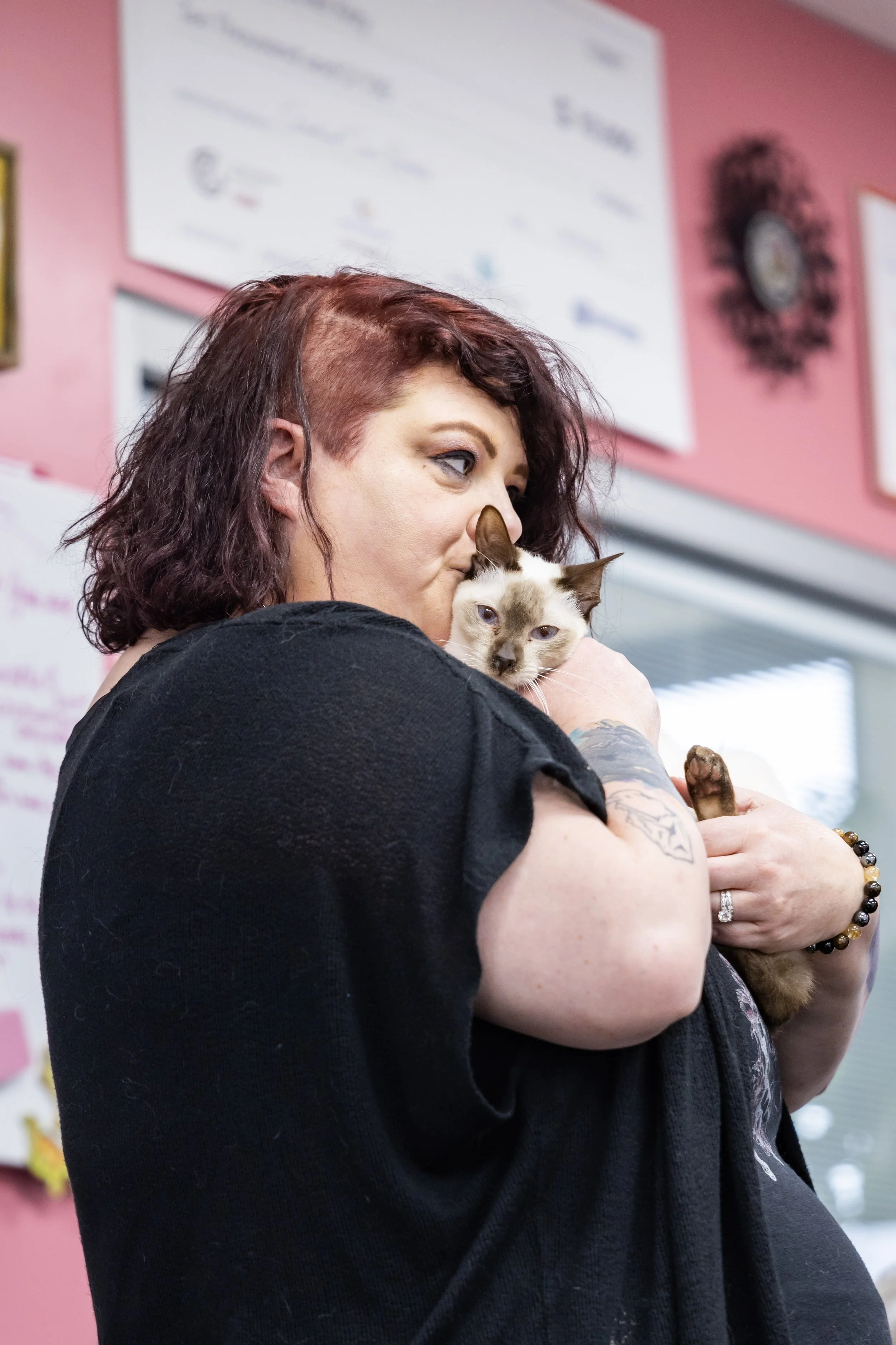
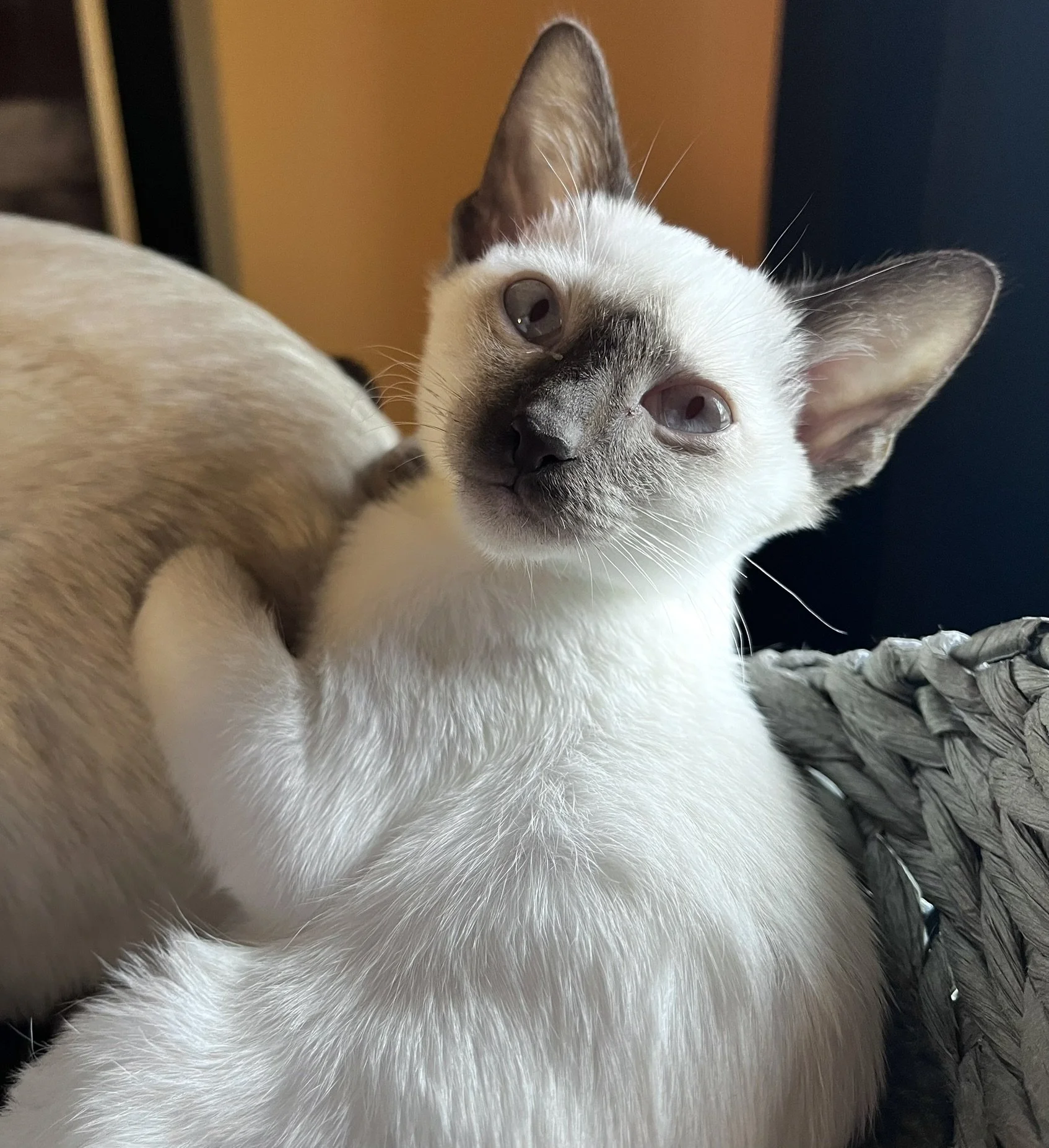
The Wichien Maat is one of the most celebrated cats described in the ancient Thai manuscripts known as the Tamra Maew, or “Cat-Book Poems.”
Revered for centuries in Thailand, the Wichien Maat was believed to bring good fortune, protection, and prosperity to the households that cared for them.
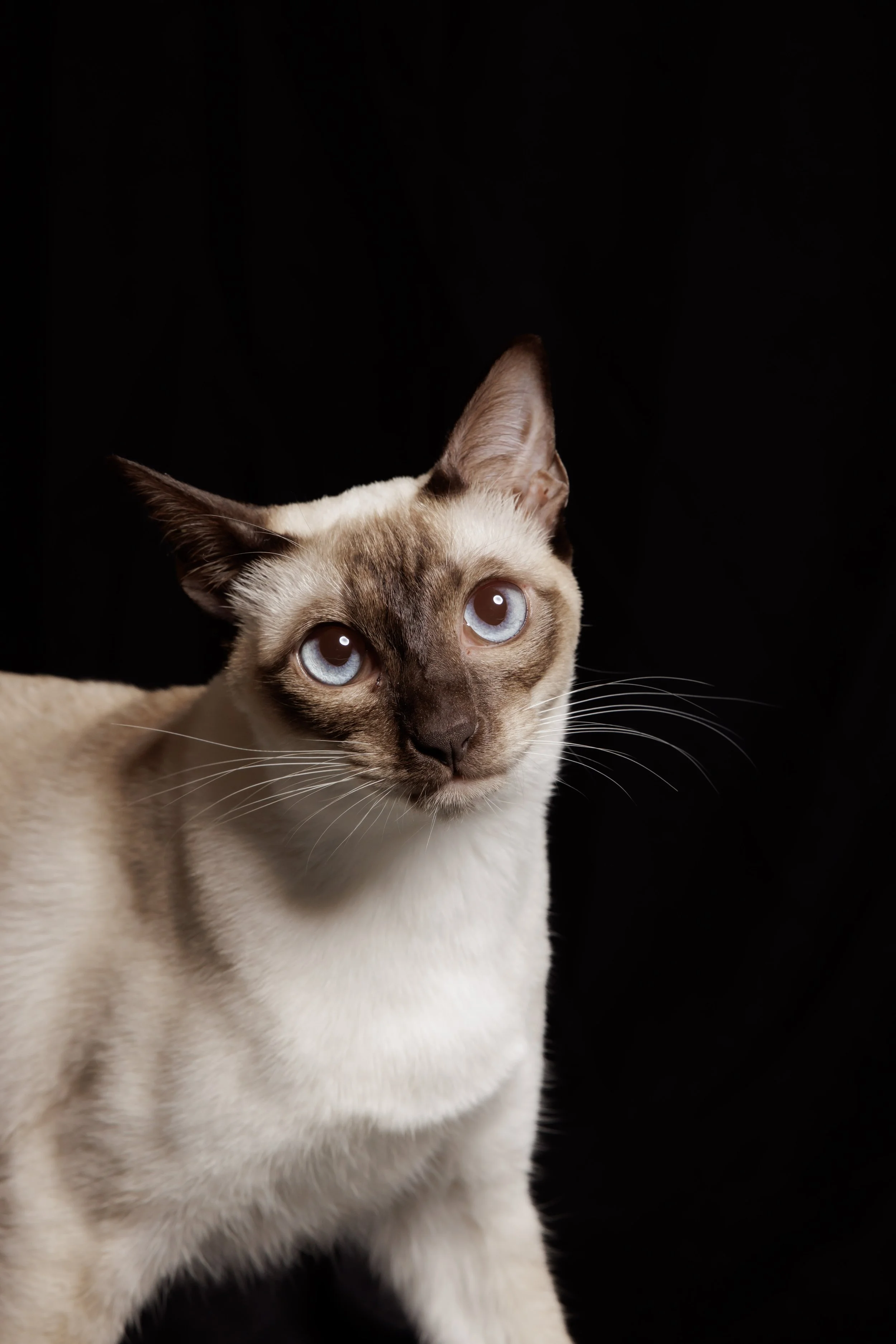
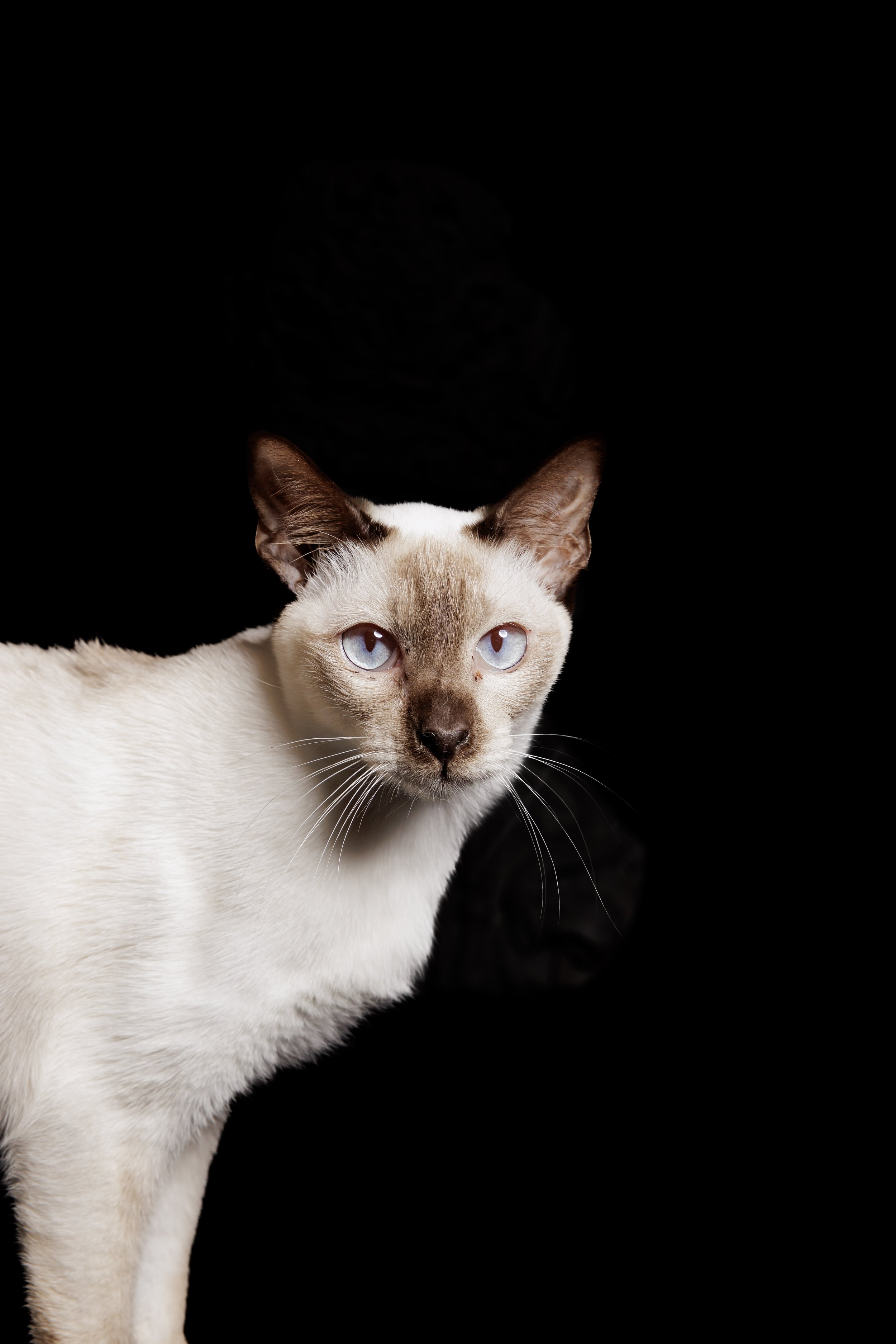
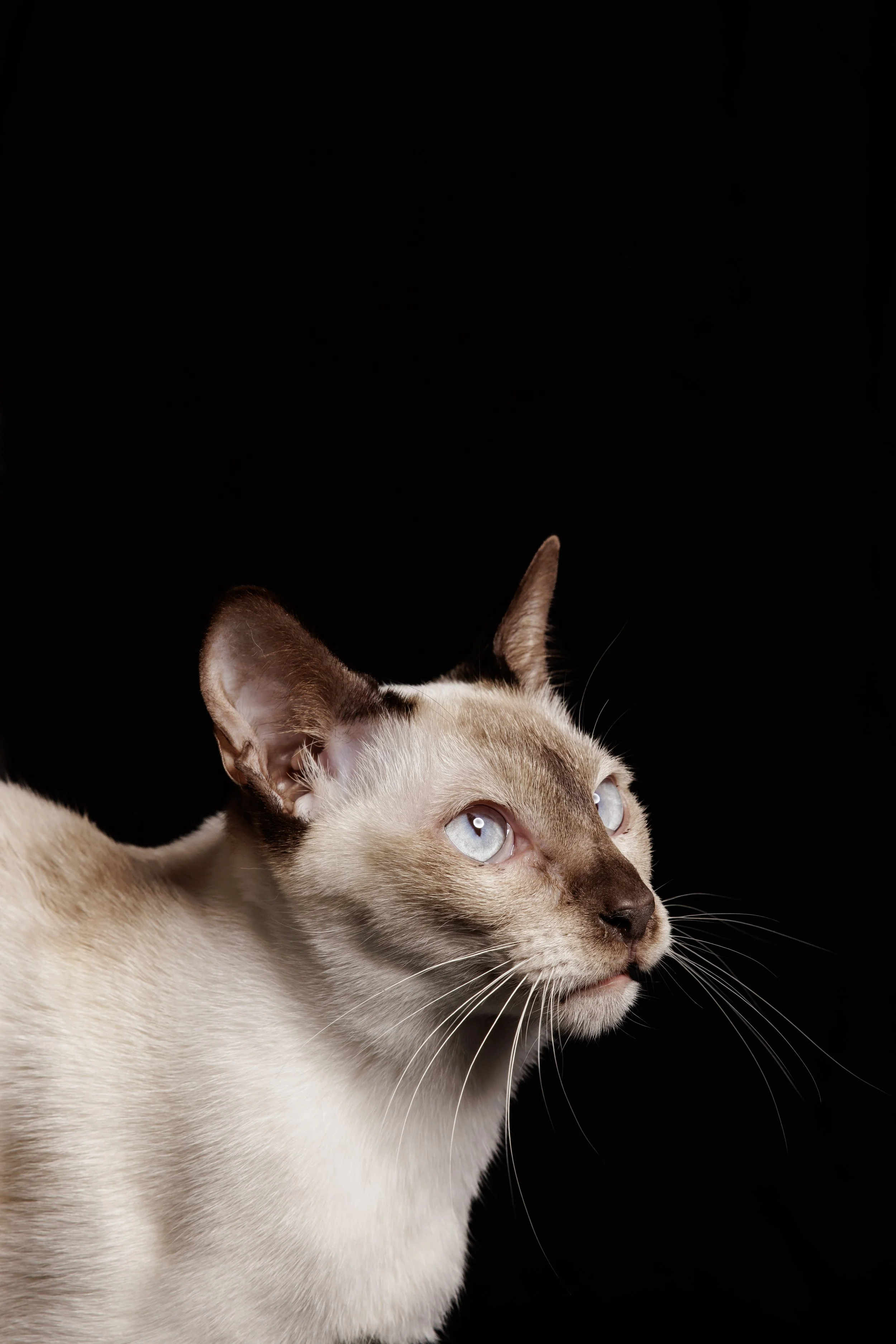
While many people recognize the modern Western Siamese, the Wichien Maat represents the traditional Thai form of the breed—a natural, balanced cat whose history stretches back hundreds of years.
Today, preservation breeders in Thailand and around the world are working to maintain the authentic characteristics of this historic cat.
The Wichien Maat appears prominently in the Tamra Maew, a collection of illustrated manuscripts believed to date back to the Ayutthaya Kingdom period of Thailand.
These manuscripts describe several cats considered especially auspicious, including the Wichien Maat.
Historically, these cats were often kept by noble households and temples. Their distinctive color-point pattern and striking blue eyes made them instantly recognizable.
In the late 1800s, cats from Thailand were exported to Europe and eventually became the foundation for the Western Siamese breed. Over time, Western breeding programs produced a more extreme body type.
The Wichien Maat preserved in Thailand today represents the traditional form of the original Siamese cat.
The Wichien Maat is elegant, balanced, and naturally athletic.
Key features include:
• A sleek, medium-sized body
• Smooth, short coat
• Color-point pattern (darker ears, face, tail, and legs)
• Clear blue eyes
• A gently wedge-shaped head
• Graceful, proportionate structure
Unlike modern show Siamese in some registries, the Wichien Maat maintains a moderate and natural appearance consistent with its historical roots.
Wichien Maat cats are known for their deep bonds with people.
They are:
• Intelligent and curious
• Affectionate and people-oriented
• Communicative and expressive
• Loyal to their families
These cats enjoy interaction and are often happiest in homes where they can be closely involved in daily life.
In Thai tradition, the Wichien Maat is associated with good luck and prosperity.
Historically, these cats were sometimes given as meaningful gifts, particularly during important life events such as weddings or housewarmings.
Their presence in the Tamra Maew reflects the deep cultural respect they have held in Thailand for centuries.
Authentic Wichien Maat cats remain relatively uncommon outside Thailand.
Preservation efforts focus on maintaining the breed’s:
• Natural body type
• Traditional color-point pattern
• Historic temperament
• Cultural heritage
Responsible breeding programs work closely with Thai breeders and international preservation networks to maintain the integrity of these cats.
At Phoenix Legacy, our focus is on honoring the heritage of Thailand’s ancient cat breeds through education, preservation, and responsible placement.
Our goal is not simply to produce kittens, but to help ensure that these remarkable cats—and their history—continue to thrive for future generations.
Families interested in welcoming a Wichien Maat are encouraged to learn about the breed and our placement process.
If you are interested in learning more about the Wichien Maat or future kitten availability, we invite you to explore our Kitten Placement Process and connect with us to begin a conversation.
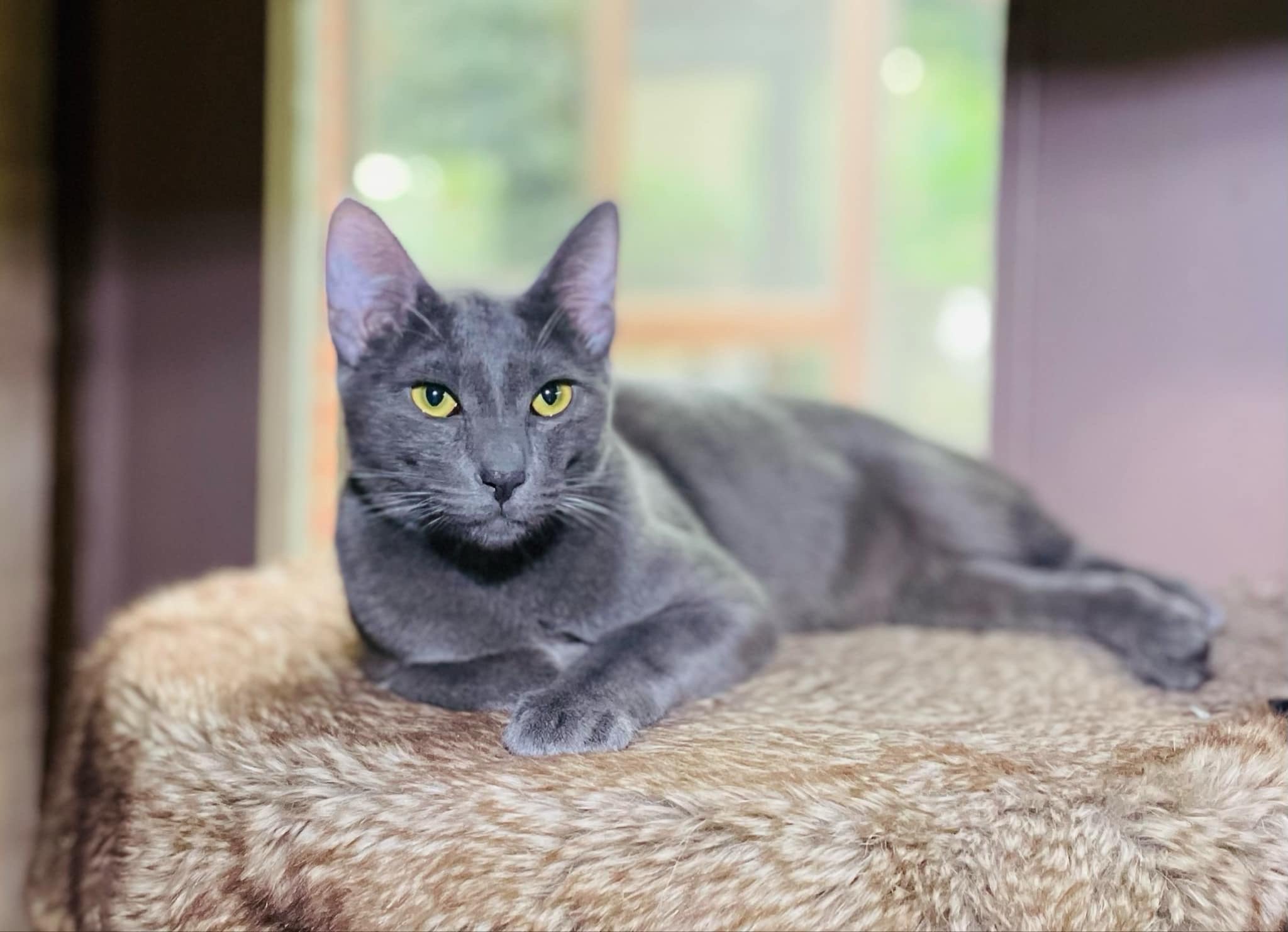
Few cats carry the cultural significance of the Korat. Known in Thailand as Si-Sawat, this remarkable blue-silver cat has been treasured for centuries as a symbol of luck, prosperity, and enduring love.
At Phoenix Legacy, our Korats represent one of the most authentic living connections to Thailand’s ancient feline heritage. These cats are not simply beautiful companions—they are part of a cultural legacy carefully preserved through generations.
The Korat is instantly recognizable for its shimmering silver-tipped blue coat and striking green eyes. Unlike many modern breeds shaped heavily by Western breeding programs, the Korat remains remarkably close to its ancient origins.
This breed is naturally occurring in Thailand and is one of the few cats historically considered a “cat of good fortune.” Korats were traditionally given as gifts to newlyweds or respected elders as a blessing for prosperity and happiness.
Their body type is compact and muscular, with a distinctive heart-shaped face that has become one of the breed’s defining features.
Korats are deeply bonded companion cats.
They are known for being:
• Extremely loyal to their people
• Highly intelligent and observant
• Affectionate without being demanding
• Sensitive to their household environment
A Korat typically chooses a person as their primary companion and will happily follow them throughout the home. They enjoy interaction, conversation, and play, but they also appreciate quiet environments where they feel secure.
Many owners describe Korats as emotionally intuitive cats that seem to understand their humans in a unique way.
The Korat’s beauty lies in subtle elegance rather than dramatic features.
Key characteristics include:
• Short, single-layer coat with silver-tipped blue fur
• Brilliant peridot green eyes that develop with maturity
• Distinctive heart-shaped head
• Medium-sized, muscular build
• Natural, unaltered body structure
In sunlight, the coat produces a luminous silver halo effect that gives the Korat its reputation as one of the most striking natural cat breeds.
The Korat is one of the oldest documented cat breeds in Thailand. It appears in the historic Tamra Maew (The Cat Book Poems), a collection of manuscripts believed to date back several centuries.
In these texts, the Korat is listed among the cats that bring good fortune and prosperity to their owners.
Historically, Korats were rarely sold in Thailand. Instead, they were given as meaningful gifts, reinforcing their reputation as sacred or lucky companions.
This tradition reflects the deep cultural respect the breed has maintained for generations.
Our Korat breeding program focuses on preservation and authenticity.
We work to maintain the breed’s:
• Traditional structure
• Authentic temperament
• Cultural lineage
• Genetic health
Where possible, we collaborate with Thai partners and preservation efforts that protect the natural heritage of Thailand’s native cat breeds.
Each kitten is raised in a home environment with careful attention to early socialization, health, and temperament.
Phoenix Legacy Korat kittens are placed carefully to ensure they enter homes prepared for the breed’s unique personality and needs.
Our placement process prioritizes:
• Responsible homes
• Long-term commitment
• Education about the breed
• Ongoing support for owners
Korats form strong lifelong bonds with their families, and we believe thoughtful placement is essential for their wellbeing.
Korat litters are limited and planned carefully.
If you are interested in welcoming a Korat kitten into your home, we encourage you to begin with an inquiry so we can discuss:
• Upcoming litters
• Our placement process
• Whether the Korat is the right match for your household
No results match your search. Try removing a few filters.
